For all the money that goes into how an ad looks, it’s surprising how often sound gets pushed down the priority list. Teams can spend days debating a colour grade or reshooting a single hero frame, then leave the audio until the final stages of production. That approach comes at a cost. Many of the campaigns people still remember years later succeeded because of something they heard, not just something they saw.
Sound is often underestimated. It is easy to think of audio as a supporting element sitting behind the visuals. In reality, it often carries much of the message. Sometimes it is the part people remember most. As feeds become more crowded and attention spans get shorter, a distinctive sound remains one of the few things that can make someone pause.
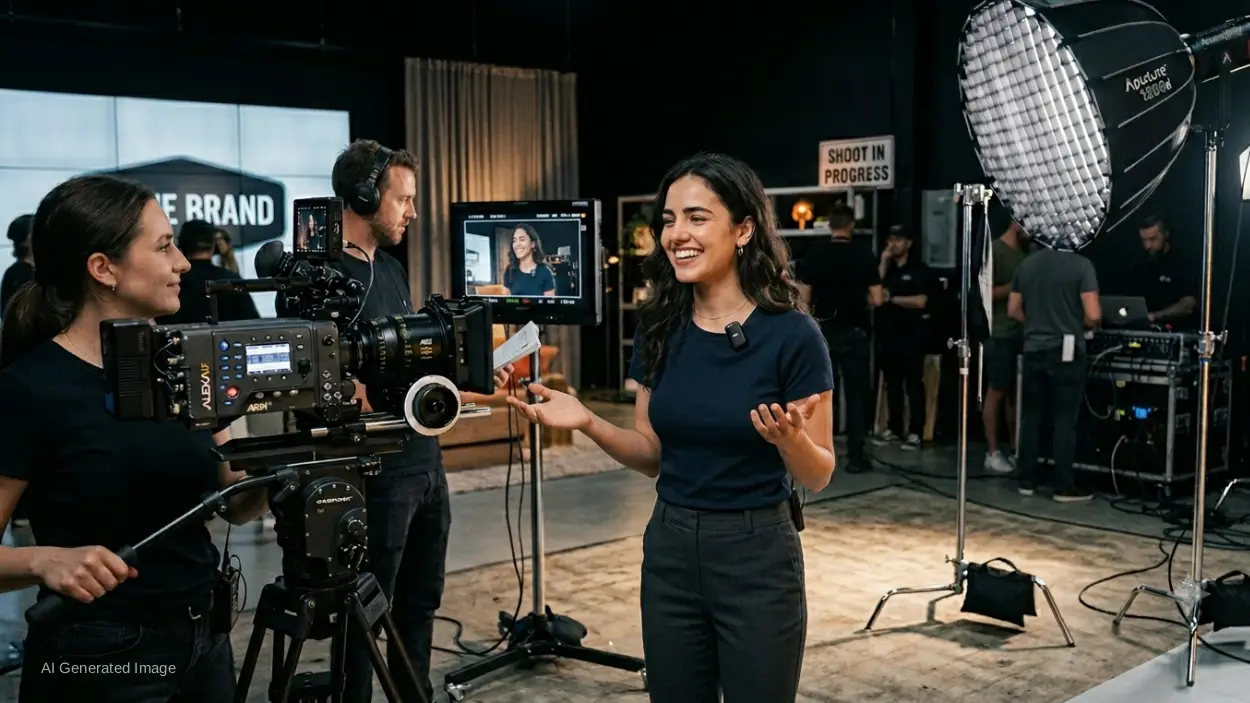
There is also less reason to overlook audio than there was in the past. Producing clean, professional-quality sound no longer requires an expensive studio booking. A set of clip-on wireless microphones and a reasonably quiet room can deliver excellent results for many content teams. Anyone working in marketing, advertising or content creation should be paying closer attention to audio than they probably are today.
Why Sound Does the Heavy Lifting
Our ears and eyes process information differently. Sound tends to connect with emotion quickly and often stays in memory longer than an image. Most people have experienced hearing an old jingle and immediately being reminded of a specific time, place or feeling. Audio creates associations that can be surprisingly powerful.
Think about how little it takes. The three NBC chimes. Intel’s five-note “bong.” THX’s Deep Note before a film. McDonald’s “ba da ba ba ba.” None of these need a logo on screen. Most people recognise them instantly. They have lasted because they are simple, consistent and tied to a feeling rather than a sales message.
People encounter thousands of brand messages every day. In that environment, having a sound that is unmistakably yours can be one of the simplest ways to stay memorable.
The rise of audio-first platforms has made this even more important. Whether someone is listening to a podcast, using a smart speaker or streaming music, there is no headline or visual to support the message. The brand has to connect through sound alone. That challenge forces marketers back to the basics: a clear story, a genuine voice and a tone that feels authentic.
The Craft Behind a Brand’s Sound
Good audio branding is built through a series of deliberate choices. The first question is often the most important: what should this brand sound like?
Should it feel warm and handcrafted, or precise and engineered? Should it rely on music, voice, ambient sound or a combination of all three? When that foundation is wrong, everything that follows tends to feel out of place.
Many successful campaigns use music to establish personality. The right track can communicate mood and character within seconds. The mistake is chasing trends simply because they are popular. Audiences are quick to recognise when a brand is borrowing someone else’s idea of relevance.
The strongest campaigns tend to use music that feels natural to the brand itself. Remove the track and something important would be missing.
Voice is just as important. It does much more than deliver information. Accent, pacing and delivery all shape how a message is received. Small details often have a bigger impact than people realise.
A challenger brand trying to connect with younger audiences may benefit from a relaxed and conversational voice. A heritage watchmaker will likely want something more measured and confident. The script may be identical, but the impression it creates can be completely different.
Making Something People Actually Remember
The campaigns people remember usually combine three things: repetition, distinctiveness and emotional connection.
A simple musical phrase used consistently across a TV spot, a pre-roll and a store playlist gradually becomes familiar. Over time, people begin to recognise it without consciously thinking about why. The same can happen with a distinctive sound effect that becomes associated with a particular brand.
Layering also plays an important role. A well-designed soundscape combines music, voice, room tone and silence in a way that creates depth and atmosphere.
Silence is often overlooked.
Many advertisers feel the need to fill every second with sound. In practice, a well-placed pause can make the next line more effective. Constant noise tends to blur together. Moments of silence give listeners time to absorb what they have heard.
The best audio knows when to step forward and when to stay out of the way.
The Same Sound, Different Rooms
The role of audio changes depending on where an advertisement appears.
In film and television, sound works alongside visuals. It can reinforce what is happening on screen, create contrast or help shape an emotional response.
Radio and podcasts require a different approach. Without visuals, the sound carries the entire message. Writing becomes more important. Performance becomes more important. Every sonic choice has to work harder.
Digital platforms present their own challenges. A social video may autoplay with the sound on or off depending on a user’s settings. That means the message needs to work visually while still offering something extra for people who choose to listen.
The strongest digital campaigns manage both.
Out-of-home advertising rarely includes audio, although some brands have experimented with location-triggered sound delivered through mobile devices near a poster or installation. When done well, it can create a seamless link between physical and digital experiences.
Where Craft Meets the Gear
Strong creative ideas can still be undermined by poor audio. A muddy voiceover or a noisy recording can weaken even the best concept. At the same time, flawless technical quality cannot save a weak idea.
The technical side should support the creative idea, not distract from it.
Equipment has become more affordable, which has made quality audio production accessible to more teams. What has not changed is the importance of getting the details right.
Microphone placement matters. Room acoustics matter. Compression settings matter. Final mix levels matter. When those details are handled well, the result feels polished and intentional. When they are not, audiences often notice something feels off, even if they cannot identify the exact reason.
Music brings another decision. A licensed track provides immediate recognition and an established mood. An original composition gives a brand something unique that competitors cannot use.
Both approaches have advantages.
Many successful campaigns find a balance by using music created specifically for the brand while still keeping it contemporary enough to connect with current audiences.
Why Audio Deserves a Seat at the Creative Table
For years, audio sat behind the visuals in most advertising discussions. That is becoming harder to justify.
As brands compete for attention across more platforms, sound has become one of the most effective ways to build recognition and stay memorable. A distinctive sonic identity can do a job that logos and taglines sometimes struggle to do on their own.
The campaigns that people remember rarely leave audio until the final stage. They treat it as part of the idea from day one. More often than not, that is what separates forgettable work from the campaigns that stay with people long after they have seen them.