Consumer brands are facing a rapidly changing marketplace, requiring them to rethink how they present themselves to the public. Markets are more competitive, and legacy perceptions can hold brands back from connecting with new audiences. Today, smart consumer brands are carefully reinventing their identities to respond to new demands, often working behind the scenes to make change feel natural rather than forced.
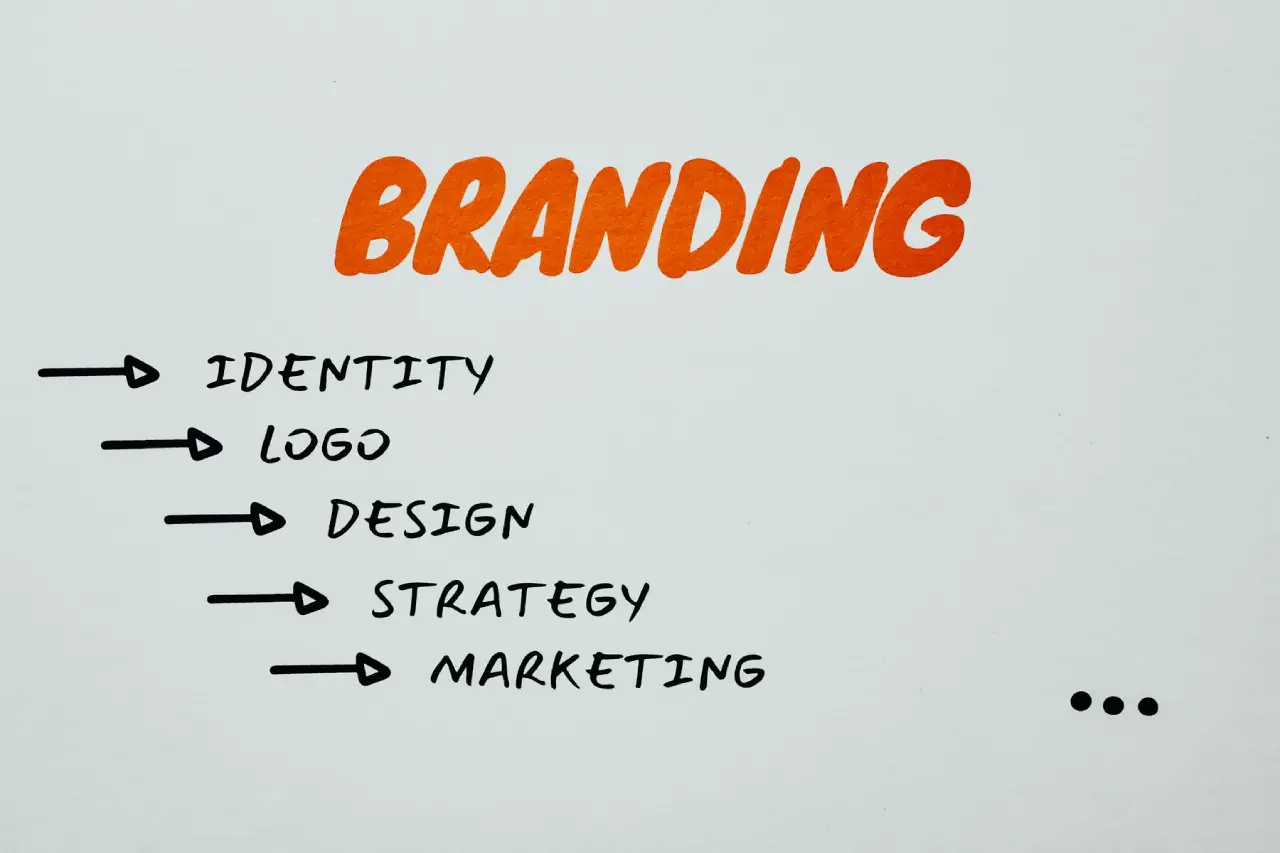
Brand reinvention is a subtle yet powerful strategy that is gaining traction across the consumer sector. Companies are discovering that outdated perceptions, rooted in elements like old logos, slogans, or established visual codes, can put them at a disadvantage. To address this, planning and execution must align closely—from diagnostics through to creative rollouts—ensuring every aspect of the brand evolves together. For example, a classic food company with a nostalgic logo and packaging may need to refresh imagery or recipes to connect with younger shoppers, while still honoring the brand’s heritage to maintain trust with existing customers.
Why legacy perceptions force brands to evolve
Legacy perceptions are associations that stick with consumer brands, sometimes long after those brands have changed their products, values, or message. These perceptions are often embedded in consumers’ minds through repetitive exposure to decades-old design, language, or even jingles. Brands that ignore these ingrained images may find their marketing efforts struggle to land, with new campaigns being filtered through outdated lenses.
For example, a well-known household cleaning brand might modernize its formula and values, yet consumers may still associate it with older advertising styles or dated product packaging. This disconnect can prevent companies from reaching new audiences who are looking for brands that reflect contemporary lifestyles or priorities, such as sustainability or inclusivity.
To overcome these barriers, consumer brands must recognize which aspects of their legacy are holding them back and develop strategies to address them. This process involves identifying both the strengths and weaknesses found in existing brand equity, then creating a roadmap for evolution that resonates with today’s consumers while maintaining essential elements that inspire loyalty.
Developing rebranding strategies that balance heritage and relevance
Effective reinvention goes beyond swapping out old logos or adding modern taglines. The most successful brands begin by auditing what their audiences truly recall and value. This could mean researching which icons, packaging, or messages remain in public memory and which ones seem out of touch. For instance, some beverage brands have found that their signature bottle shapes evoke trust, even when other design elements are completely updated.
A thoughtful rebrand also requires balancing recognition with new meaning. Many brands look to expert guidance on how to retain their heritage without appearing stagnant. Examining how Helms Workshop approaches a rebrand reveals that brands do best when they preserve recognizable assets, like names or symbols, but reinterpret their visual and verbal language to connect with modern values and new market realities.
Real-world examples abound. Classic sneaker labels, for instance, retain familiar silhouettes and logos, while introducing contemporary collaborations and digital-first campaigns. This approach enables legacy brands to stay relevant without losing their core audience, creating a sense of continuity that is essential for long-term success.
Building consistency and measuring progress in modern reinvention
Consistency across touchpoints is crucial during reinvention. Brands must update not just their visual identity—like logos, photography, and colors—but also their messaging frameworks and communication style across digital, social, and retail channels. This ensures that audiences experience the new brand identity whether they are shopping online, seeing an ad on TV, or reading a product description in store.
To reduce friction and uncertainty, leading brands adopt scalable identity systems and detailed guidelines for their creative teams. At the same time, they stay open to campaign-specific adaptations, allowing the brand personality to shine through different media and events. For example, a heritage snack company may use playful new language and influencer partnerships on social media while keeping in-store signage familiar to reassure loyal buyers.
Measuring the success of these efforts involves monitoring both campaign performance and audience perception over time. Consumer brands often solicit feedback and analyze responses to assess whether new associations are taking root. Regular updates and internal training help ensure that the reinvention feels authentic, remains consistent, and keeps pace with evolving trends, reinforcing the brand’s relevance in the market.