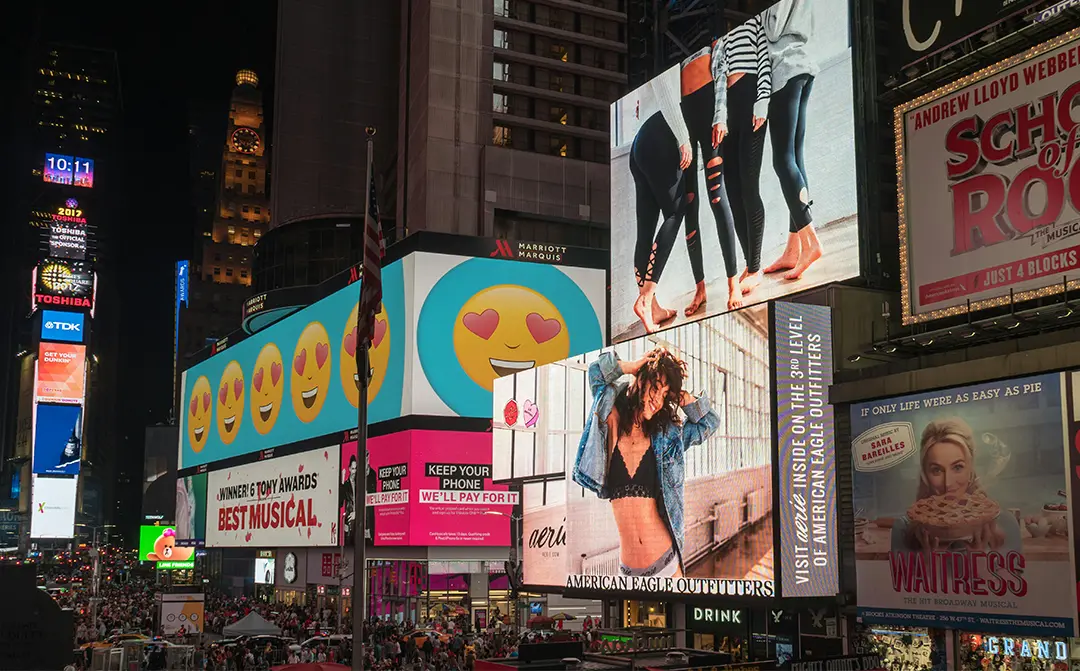
For decades, brand identity has been built around what people can see. Logos, colours, typography, photography, packaging and store design all help businesses create a recognisable visual language.
But brands are experienced through more than sight. People hear them too.
A sonic logo, recurring musical style or store soundtrack can contribute to how a brand is perceived. These audio choices can communicate personality, create familiarity and shape how a brand feels in ways that visual design alone cannot always achieve.
For brands with physical spaces, music can become part of the identity system rather than simply something playing in the background.

A Brand Can Be Recognisable Before the Logo Appears
The strongest identities rarely rely on a single cue. Colour, typography, photography, motion and tone of voice can all become recognisable over time. Sound can work in much the same way.
Sonic branding is often associated with short audio signatures, jingles or sounds connected to a particular action. But a brand’s relationship with music does not have to be limited to a few seconds.
For stores, restaurants, hotels and showrooms, customers may spend much longer listening to the soundtrack than looking directly at a logo. Music therefore becomes another opportunity to create familiarity.
Music Can Make Brand Personality Tangible
Brand guidelines may describe a business as bold, playful, premium, rebellious, calm or sophisticated. Music can make those characteristics tangible.
A luxury fashion brand might favour a restrained contemporary soundtrack. A streetwear brand may want something more energetic and culturally current. A wellness space might need music that creates atmosphere without demanding attention.
The important point is not that particular genres automatically belong to particular types of business. That approach is too simplistic. What matters is whether the music feels consistent with the personality a brand is already expressing elsewhere.
A soundtrack can reinforce an identity or create a disconnect. If every visual element feels considered but the music feels random, the experience becomes less coherent.
Retail Turns Branding Into an Environment
Retail is one of the clearest examples of how a brand moves beyond a two-dimensional identity.
Customers entering a store experience lighting, materials, layout, displays, signage, staff, movement and sound at the same time. Music sits within that wider environment.
Carefully selected soundtracks for retail can help extend a brand’s identity into the physical space, alongside visual merchandising, lighting and store design.
The goal should not simply be to play music that sounds fashionable. Retailers need to consider their audience, the pace of the environment and how the soundtrack fits the brand’s wider position.
The soundtrack works best when it feels intentional rather than interchangeable.
Consistency Does Not Mean Every Location Sounds Identical
Brand consistency is sometimes mistaken for repetition. Strong identity systems establish recognisable rules without forcing every execution to look or feel exactly the same.
Music can follow the same principle.
A brand might define a broad musical direction through characteristics such as:
- energy level
- tempo
- preferred eras
- genre influences
- lyrical content
- familiarity
- cultural references
- styles to avoid
These principles can create a recognisable musical identity while leaving room for local context.
For brands operating across cities or countries, a flagship may have different needs from a smaller store, while cultural references may not translate directly between markets.
Consistency should provide structure, not remove context.
The Soundtrack Can Change With the Day
Physical spaces rarely feel the same throughout the day. A store may be quiet after opening, busier during the afternoon and more social later in the evening. Restaurants and hospitality environments can change even more dramatically.
That creates a challenge for sonic identity.
If the soundtrack never changes, it can stop fitting the environment. If it changes too dramatically, the brand may lose its character.
A better approach is to let energy, tempo and familiarity shift while keeping the broader musical personality intact. Softer programming can work in the morning, while more energetic selections support busier periods.
The execution changes, but the identity remains recognisable.
Think Beyond Individual Songs
One of the easiest traps in music strategy is asking which songs represent the brand. Songs can be useful references, but they are not necessarily a durable identity system.
Trends change. Cultural associations evolve. A playlist built around a handful of tracks can quickly feel dated.
A stronger approach is to define musical characteristics.
What level of energy suits the brand? Should the music feel familiar or introduce something unexpected? Are there particular eras, instruments or cultural influences that fit? How prominent should vocals be? What should never be played?
These questions create a framework rather than a fixed playlist, guiding music across stores, campaigns, events and other branded environments.
Campaign Music and In-Store Music Should Connect
Advertising teams already understand the emotional role of music. A soundtrack can establish tone, create tension, add humour, trigger recognition or change the way an audience experiences a piece of creative work.
The same thinking can extend into physical spaces.
A brand does not need to use the exact same song in an advert, social video, event and store. Repetition could quickly become limiting. What matters is whether those different touchpoints feel as though they belong to the same sonic world.
An advertising campaign might use a bold electronic track while retail locations use more restrained music with related textures and energy. The execution changes, but the underlying character remains connected.
That creates continuity between what people see in advertising and what they experience in person.
Creative Choices Also Need Practical Consideration
Building a musical identity involves more than creative direction. Brands also need to understand how music can legally be used across different environments.
The rights involved in advertising, online content, events and music played inside commercial locations can differ depending on the use and territory. Understanding these requirements early can prevent a creative direction from being built around music that cannot be used where customers encounter the brand.
Licensing considerations therefore belong in the planning stage, alongside the creative brief, rather than being treated as an afterthought.
A Better Creative Brief Starts With One Question
Brands developing a soundtrack do not necessarily need to begin with artists or genres.
A more useful starting point is: What should our brand sound like?
That question can lead to a more useful creative brief:
- Which three words describe the brand’s personality?
- How should someone feel when they enter the space?
- Which musical characteristics support that feeling?
- What would immediately feel wrong?
- How should energy change during the day?
- Which elements should remain consistent across locations?
- How does the physical soundtrack connect with advertising and campaign work?
These questions turn music into a creative system rather than an afterthought.
The Next Recognisable Brand Asset May Be Something Customers Hear
Logos still matter. So do colours, typography, photography and every other visual element that helps people recognise a brand.
Brand identity increasingly exists across screens, stores, events, apps and other touchpoints. The challenge is to create continuity across those experiences without making every interaction identical.
Music can play a meaningful role in that system.
For creative teams, the question is no longer only what a brand should look like, but what it should sound like.