Clinic Plus has spent years talking about mothers raising strong daughters. Its latest #MeriBetiStrong film takes that familiar relationship in the other direction: what happens when the daughter becomes the person her mother needs to be strong?
The story starts with a daughter pointing back to her mother
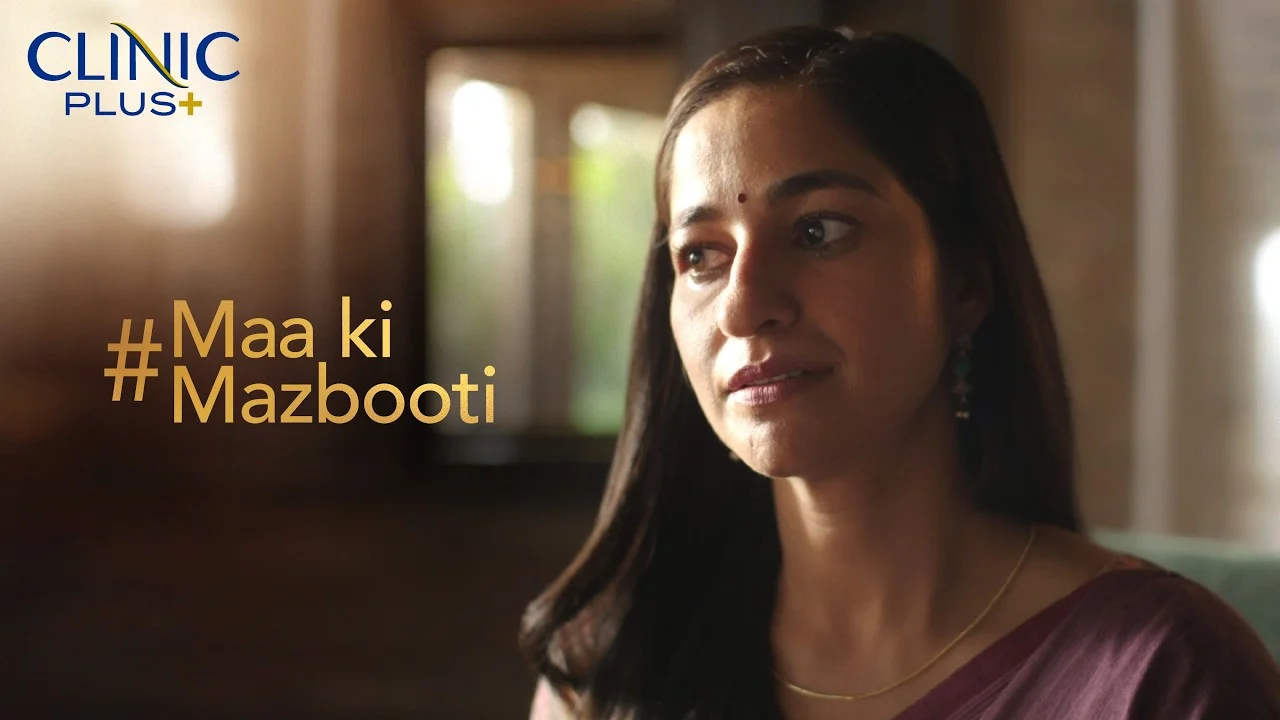
The film opens at a book launch. A mother is asked about the inspiration behind her collection of poems. Instead of taking the credit, she points towards her daughter.
The story then moves back to the daughter’s childhood.
As the daughter grows up, she begins to understand her mother’s life in a different way. She notices the compromises her mother makes within her marriage. She also hears the familiar advice given to women in difficult situations: adjust, endure and carry on.
But the daughter does not accept that as the only option.
She encourages her mother to think about what she wants for herself. That conversation eventually gives the mother the courage to rebuild her life on her own terms.
The film’s central thought captures the reversal neatly: “Maa ki Majboori nahi, Beti Hoti hai Maa ki Mazbooti.”
The strength comes back
Most mother-daughter advertising follows a familiar path. The mother raises her daughter to be confident, independent and capable of handling life.
Clinic Plus keeps that foundation but changes the direction of the relationship.
The daughter has grown up absorbing the lessons her mother gave her. When the mother needs those same qualities herself, the daughter becomes the one who brings them back into the relationship.
It is a small but important shift. The daughter is not simply someone being protected or prepared for the future. She has become someone who can recognise what her mother needs and stand beside her.
That makes the mother-daughter relationship feel more reciprocal.
The book launch changes meaning by the end
The opening scene is also a useful storytelling choice.
When the mother points towards her daughter at the book launch, it initially feels like a simple gesture of affection. Once the film reveals what happened between them, the moment means something more.
The daughter did not simply witness her mother’s journey. She became part of the reason her mother found the confidence to make a change.
The book therefore becomes a quiet marker of the mother’s new chapter, while the daughter remains closely connected to that journey.
A different role for the daughter
The campaign works because it does not try to make the daughter a conventional hero.
There is no grand gesture. She simply sees something that the people around her have stopped questioning. When everyone else tells her mother to adjust, she asks her to consider another possibility.
That makes the film’s idea easy to understand without spelling it out.
Clinic Plus is extending the #MeriBetiStrong platform, but the emotional focus has shifted. Earlier stories centred on mothers giving daughters the confidence to face the world. This film asks us to look at what those lessons can mean years later, when the daughter has the chance to give some of that strength back.
The film also dedicates the story to single mothers in India, with HUL citing a figure of 1.3 crore in its campaign communication.
For Daughters’ Day, it is a different way of looking at the relationship. The mother raises the daughter to be strong. Then, at some point, the daughter becomes strong enough to help her mother find her own way forward.
Credits
Brand: Clinic Plus
Agency: Ogilvy