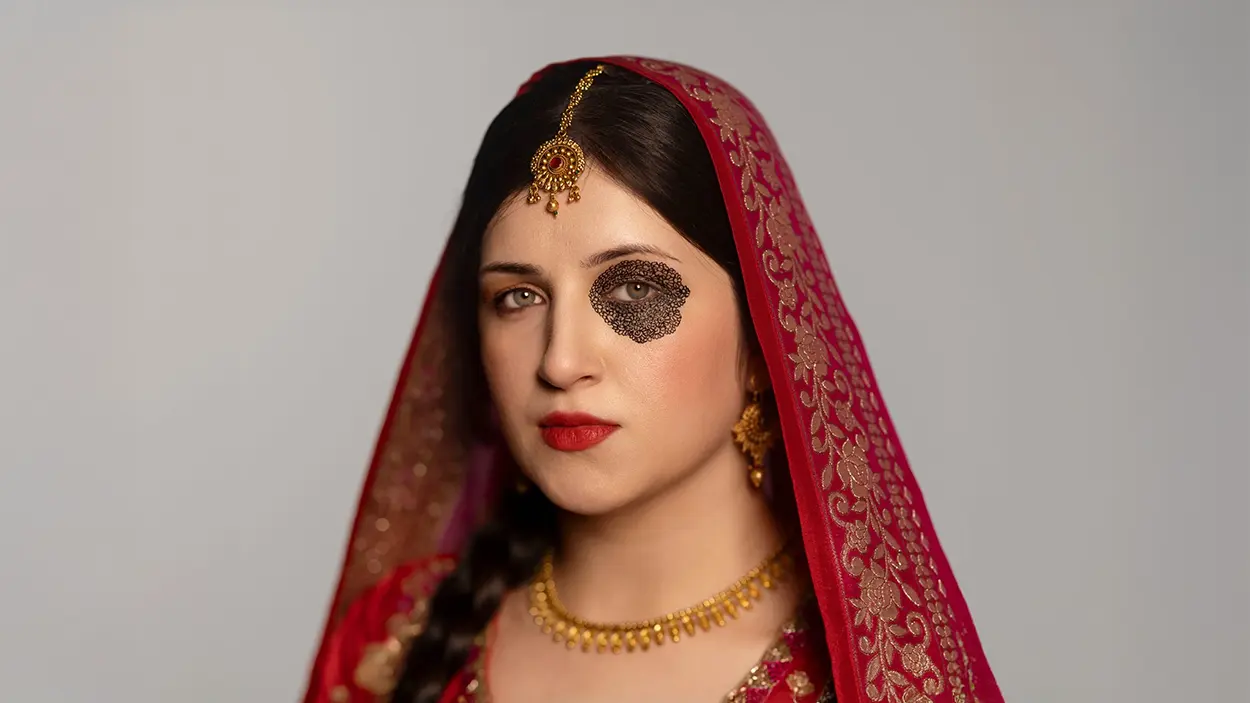
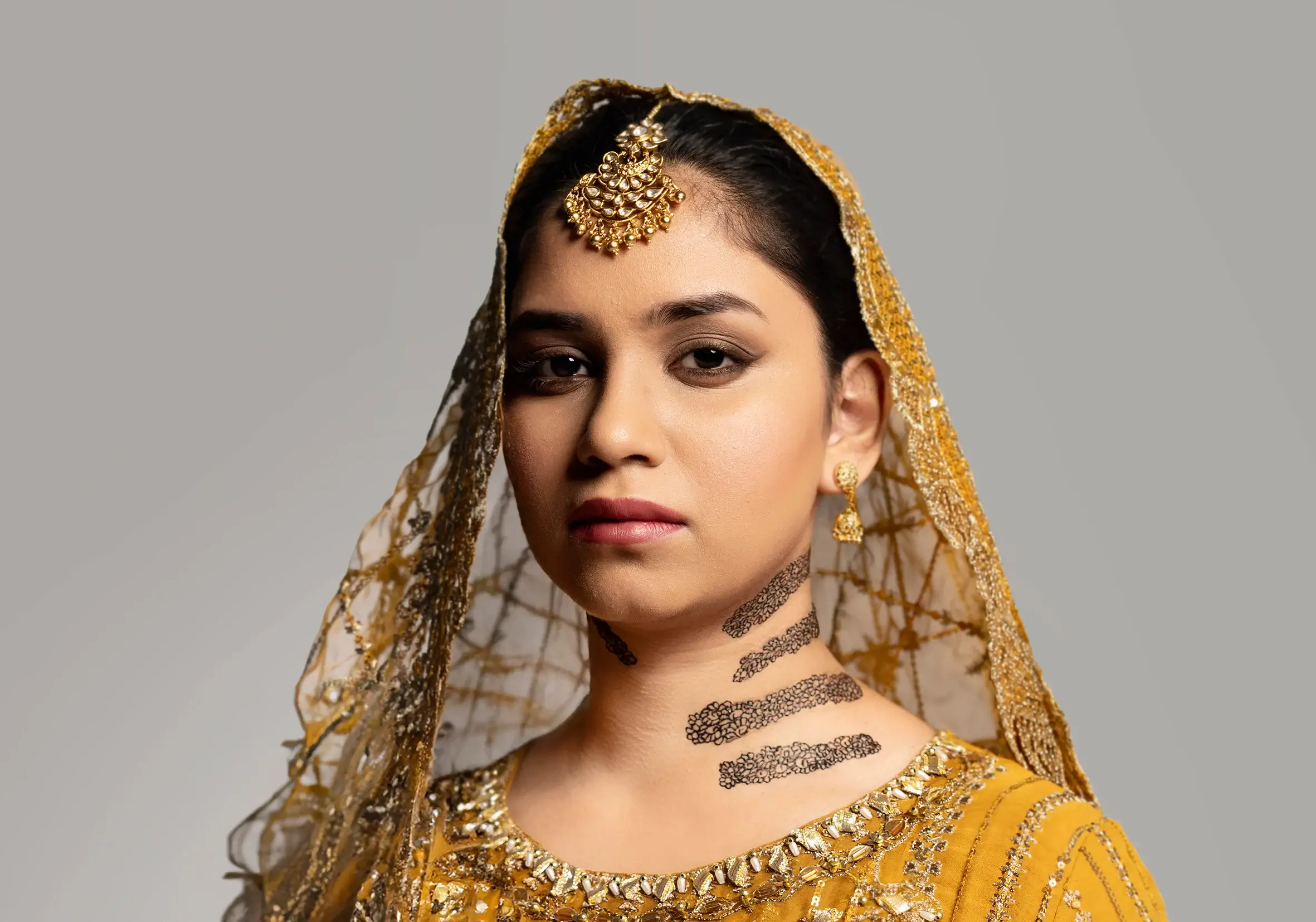
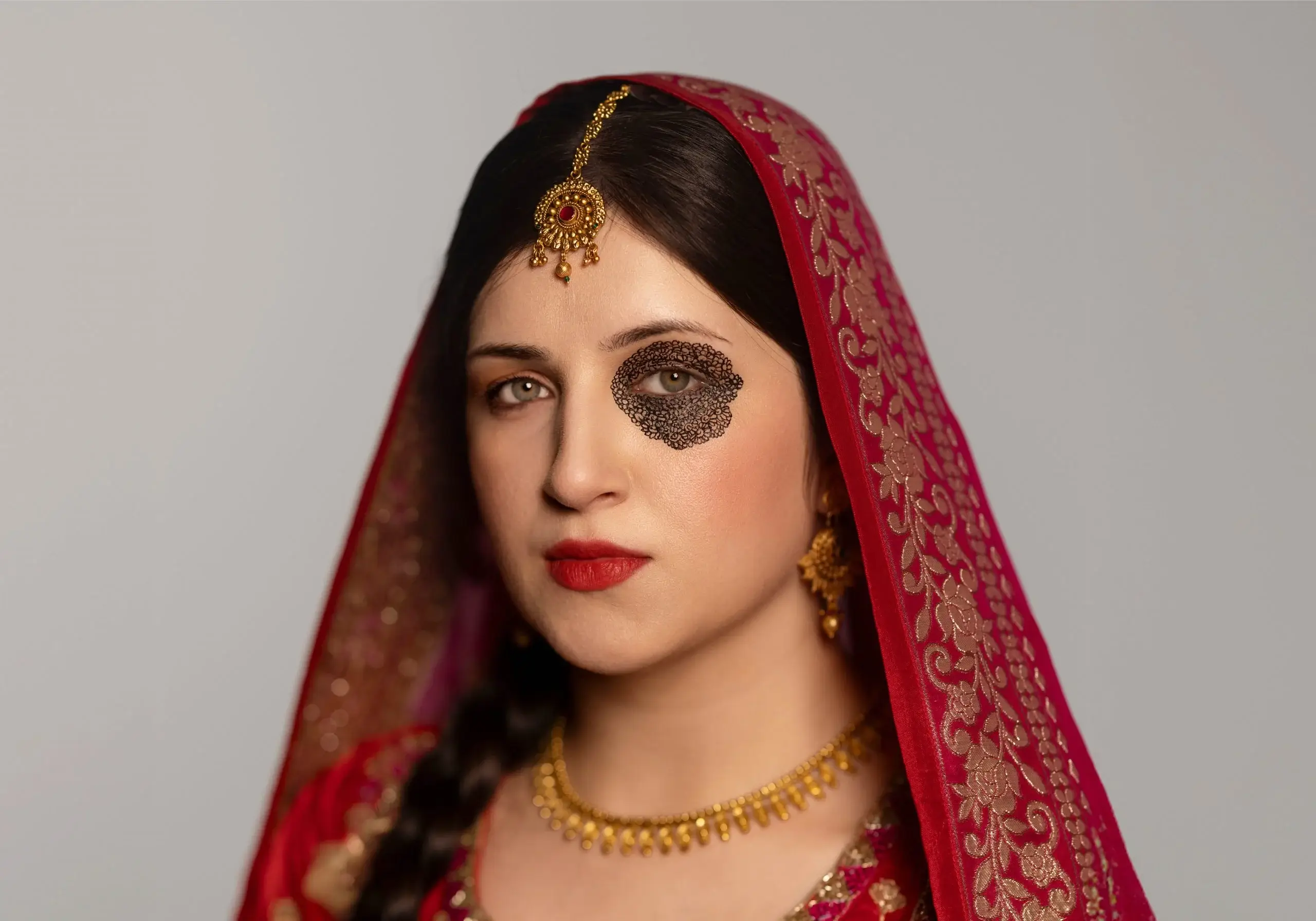
UN Women’s InkVisible campaign, created with Impact BBDO Dubai, turns one of South Asia’s most familiar wedding symbols into a direct warning about spousal abuse in Pakistan. Instead of using henna only as decoration on a bride’s hands and feet, the campaign places it where injuries from domestic violence often appear, including around the eye, neck, forehead and lips.
The InkVisible campaign is built on a difficult cultural contrast. Henna is usually linked with celebration, marriage and beauty. Here, it becomes a way to show the violence that many women are forced to hide. According to campaign reports, 1 in 3 married women in Pakistan reportedly face physical and mental abuse from their partners, while many do not report it because of fear, social pressure or stigma around divorce.
A Wedding Ritual Reworked Into A Safety Message
InkVisible does not rely on shock for the sake of shock. Its strength comes from how closely the visual idea is tied to the cultural context. Henna is already present at weddings, already understood by families, and already associated with brides. By moving the henna from the expected places to the sites of bruises and wounds, the campaign makes abuse harder to ignore.
The visuals show henna forming the shape of a black eye, strangulation marks around a bride’s neck, and injury-like marks on the face. These images are designed to raise alarm and make women aware that they can call a national helpline for support.
Ali Rez, Chief Creative Officer at IMPACT BBDO, said the team focused on the irony that marriage is meant to be celebrated, but can often become the point at which abuse begins. He explained that henna stood out because it is a symbol of a happy marriage, yet could be used to reveal the darker reality many women face after marriage.
How InkVisible Reached Women Beyond The Screen
The campaign was not limited to online film release. Campaign films were played at events and released across social channels. Posters were placed in strategic high female traffic locations across major Pakistani cities. Campaign Middle East also reported plans for billboards and broadcast commercials.
One of the more practical parts of InkVisible was its use of henna artists. These artists, who are often invited to work with brides, were trained to share information on how women could seek help. Henna cones were also printed with the national helpline number, extending the campaign into rural communities and private domestic spaces where conventional media may not reach easily.
This made the idea more than a visual campaign. It used an existing cultural practice as a channel for information. That matters because domestic violence is often hidden inside the home, and many survivors may not have safe access to public conversations around abuse.
From Bridal Henna To Parliamentary Support
InkVisible also reached political spaces. Female parliamentarians in Pakistan’s National Assembly reportedly wore henna as wounds and bruises to support the message. They also amplified the campaign online while encouraging lawmakers to strengthen protections against spousal abuse.
Campaign Middle East reported that the Governor of Pakistan’s largest province and the Prime Minister’s office responded positively to the campaign. Donor agencies were also reported to have joined calls for stronger action against violence toward women.
The campaign also saw a rise in calls to the national helpline immediately after launch, according to reports. While the available sources do not provide specific call numbers, the increase is presented as an early indication that the campaign helped inform women about available support.
Why The Campaign Feels Hard To Ignore
InkVisible works because it does not explain domestic violence from a distance. It takes a familiar ritual and changes where people are forced to look. The campaign understands that in a conservative social setting, a public service message needs more than visibility. It needs cultural entry points, trusted messengers and a path to help.
The film and posters create the emotional entry point. The trained henna artists and helpline printed henna cones create the practical route. The involvement of parliamentarians gives the campaign public pressure. Together, these pieces give InkVisible a sharper role than awareness alone.
For more campaigns in this category, visit Campaigns of the World’s Film and Video section
Credits
Agency: Impact BBDO Dubai
Agency Art Director: Minhaj Rafi
Brand – Marketing Manager: Saman Ahsan
Chief Creative Officer: Ali Rez
Creative Director: Rana Sadek
Editing Company: IMPACT BBDO Dubai
Editor: Sanil Chandran
Executive Creative Director: Nasir Qureshi
Film Director: Neelay Shah
Film Production Company: DejaVu
Music Composer: Zohaib Kazi
Producer: Manasvi Gosalia, Maarouf Bekdash, Kavya Iyer, Rafic Sawaya
Regional Agency Group: Omnicom Advertising Group
Writer: Maya Sfair
This campaign is about:
InkVisible campaign, UN Women, Impact BBDO Dubai, domestic violence campaign, Pakistan campaign, henna campaign, women’s safety, spousal abuse awareness, Film and Video campaign, social impact advertising, public service campaign, gender equality campaign, women protection, Déjà vu Films, national helpline campaign, creative advertising, Pakistan.