There is a moment many families know too well. A parent leaves for a short walk, a quick errand, or a familiar route they have taken for years. Then something changes. They are later than expected, or the phone is unanswered. At that time, there was no information, no clarity at all, only uncertainty as to where they were or if they were safe.
This uncertainty is not about constant worry. Rather, it is about not having enough visibility when it actually matters. At the same time, older people tend to prefer the exact opposite experience. They wish to maintain their routines, be allowed to move freely, and not feel closely monitored or restricted.
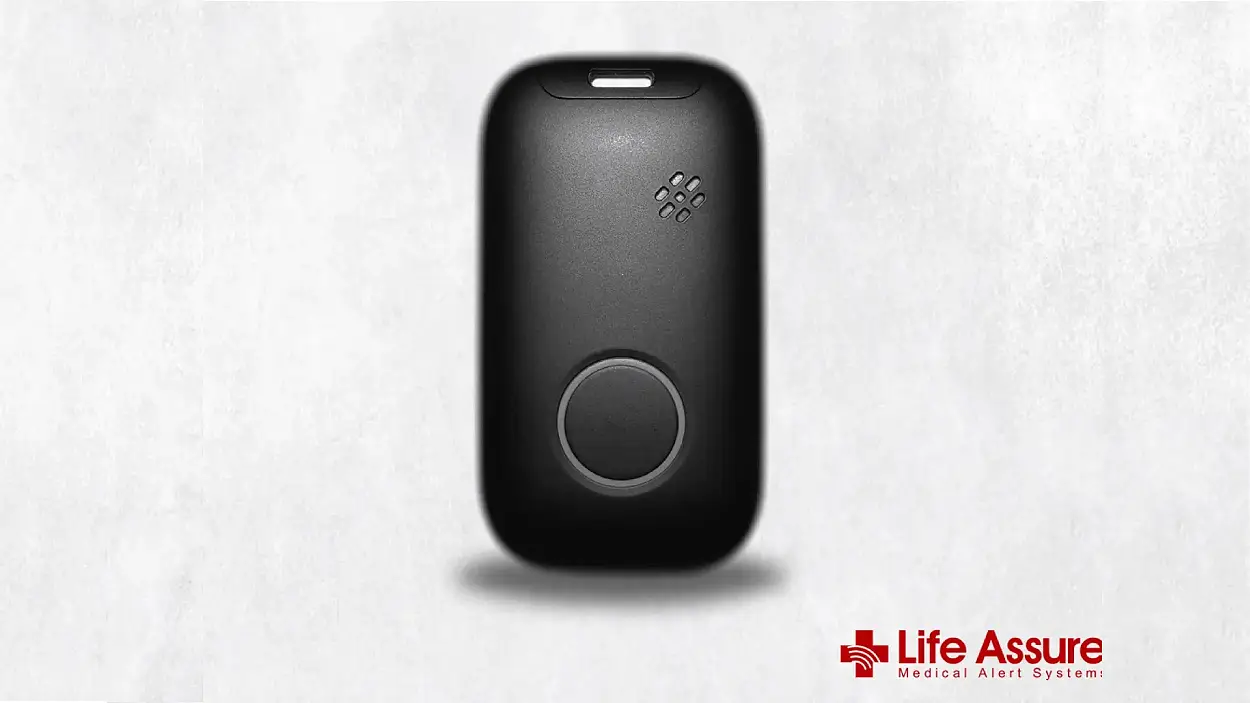
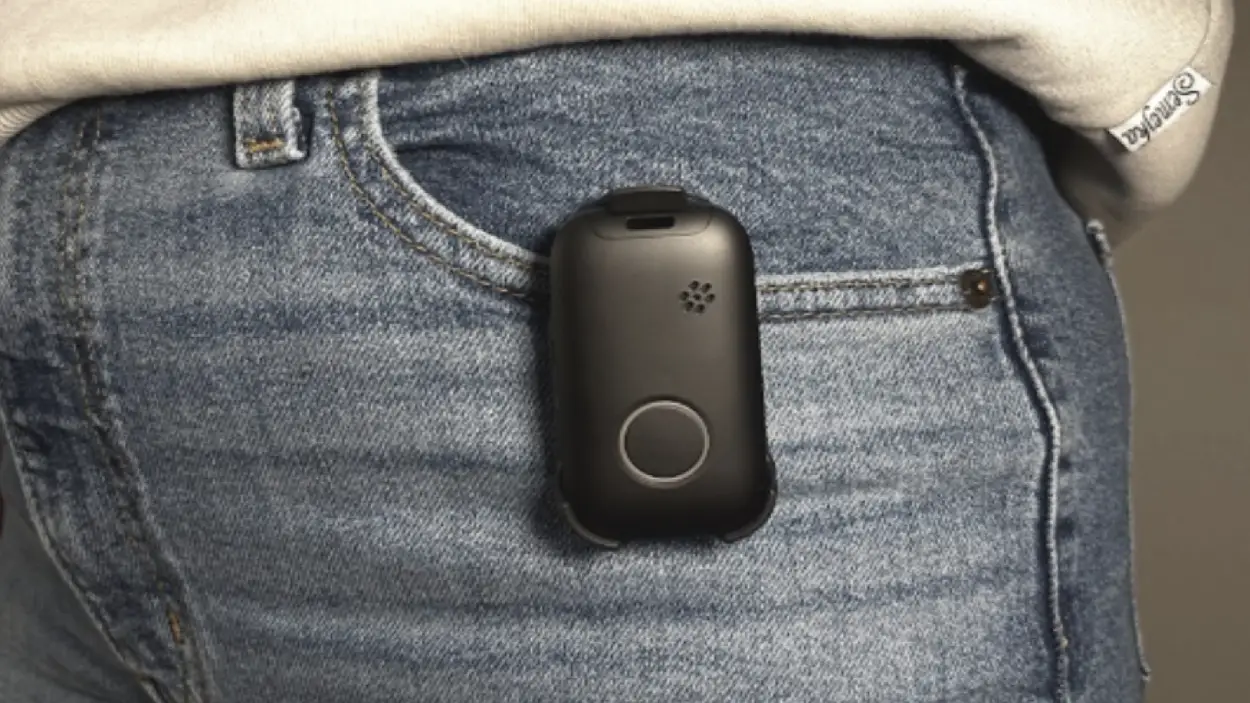
This is where a mobile GPS tracking system comes into play — offering the ability to see the location in real time during a mishap, while maintaining independence. It is not about tracking every moment. Instead, it’s about having the ability to get answers when things don’t go according to plan.
The following sections break down five specific situations where a mobile GPS tracker for seniors becomes practically important, not just convenient.
Situation 1: Sudden Disorientation Outside Home
A mobile GPS tracker for seniors becomes especially important when a senior steps outside their familiar surroundings and loses their bearings. In such situations, confusion will benefit from real-time location access with the aid of devices connected to a system, as described. Everyday tasks like making the trip to the local shop or park can become stressful when memory or orientation fails unexpectedly.
Disorientation is not always dramatic. It may begin with getting lost or becoming confused with direction or the environment. It can rapidly progress to wandering behavior in elderly people who experience cognitive problems. Research published in MDPI journals highlights that GPS-based tracking systems significantly reduce the time needed to locate individuals experiencing spatial confusion.
When exact location data is available, caregivers and monitoring teams can respond immediately. This helps prevent stress and the potential risks of the environment, including traffic or adverse weather conditions.
Situation 2: Medical Emergency Without Immediate Help
Medical emergencies are unpredictable and often unanticipated. If a senior experiences a fall, sudden dizziness, or cardiac symptoms, they may not be able to speak or call for help. In these instances, the greatest hazard is the delay in emergency response.
Alert systems with GPS can help fill that gap. When an SOS signal occurs, it sends out both an alert and position information. Research published in PubMed Central indicates that the speed of geolocation has a positive impact on the outcomes of emergency interventions for older age groups.
This ensures that no time is wasted while responders look for answers. Instead, they move directly to the exact location. Better communication also helps caregivers stay updated during emergencies where timing is crucial, and every update is important. In critical medical situations, even a few minutes can make a big difference.
Situation 3: Wandering Linked Cognitive Decline
Wandering is a common behavior in seniors experiencing memory-related conditions. It is not intentional. Instead, it is typically the outcome of a state of confusion, anxiety, or misunderstanding of purpose. Even in many situations, as seniors get farther away from safety, they believe they are going somewhere known or familiar.
A GPS tracking system keeps caregivers updated on how seniors move and when they leave an area that is considered safe or familiar. As a result, this can help alert officials to unusual behavior over time, before the person is gone.
Continuous location monitoring has also been shown to be helpful in the field of clinical dementia care, as it can decrease instances of missing persons and reduce the time it takes to recover them. This moves the search process from a reactive approach to a proactive one and is therefore much safer for vulnerable users.
Situation 4: Falls During Low-Supervision Moments
One of the most common risks for seniors is falls, particularly when they are alone for a brief amount of time. These incidents often happen in everyday settings like hallways, driveways, or outdoor paths.
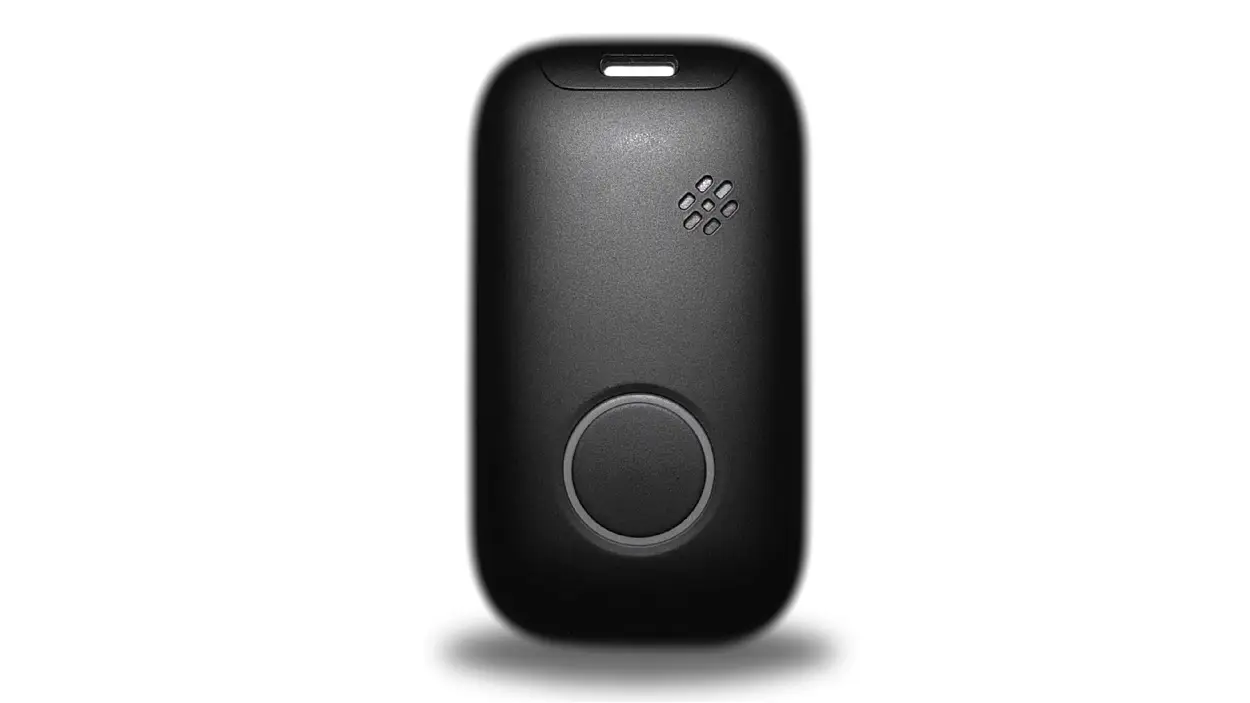
However, the fall isn’t the only challenge when it happens; the real issue is often the delay in response. Integrating a GPS tracking sensor with a safety alert could proactively report the user’s location to a monitoring station or network.
Faster response minimizes the severity of complications and improves recovery. In addition, location awareness allows quick and accurate identification of where help is needed, even if the senior is unable to communicate.
Situation 5: Routine Travel and Unfamiliar Movement
Not all safety concerns come from emergencies. Many occur during normal daily movement. Seniors who remain active may still travel to unfamiliar places, attend appointments, or take longer walks outside their usual area.
A GPS tracker helps establish a baseline of regular movement. When activity deviates from expected patterns, caregivers can receive alerts. This does not restrict independence. Instead, it adds a layer of awareness that supports safe autonomy.
Over time, this helps families distinguish between normal delays and potential risk situations. It also reduces unnecessary panic while still maintaining oversight when needed.
Conclusion
A mobile GPS tracking system for seniors is not just about location tracking. It is about improving response time and reducing uncertainty in everyday life. Each situation described shows how quickly small risks can become serious without visibility.
The key takeaway is simple. When location and safety information are available in real time, families can act faster and with more confidence.
Start by identifying where visibility gaps exist in daily routines. That is usually where the need for a GPS safety solution becomes most clear.