A decade ago, encrypted chats felt like a niche feature for tech enthusiasts. Now it’s expected. Most major messaging apps encrypt conversations by default, meaning only the sender and recipient can read what’s written.
This shift happened fast. Surveys suggest that over 70% of smartphone users now rely on at least one encrypted messaging app daily. Privacy concerns, data breaches, and growing awareness of surveillance pushed companies to make security a selling point rather than an afterthought.
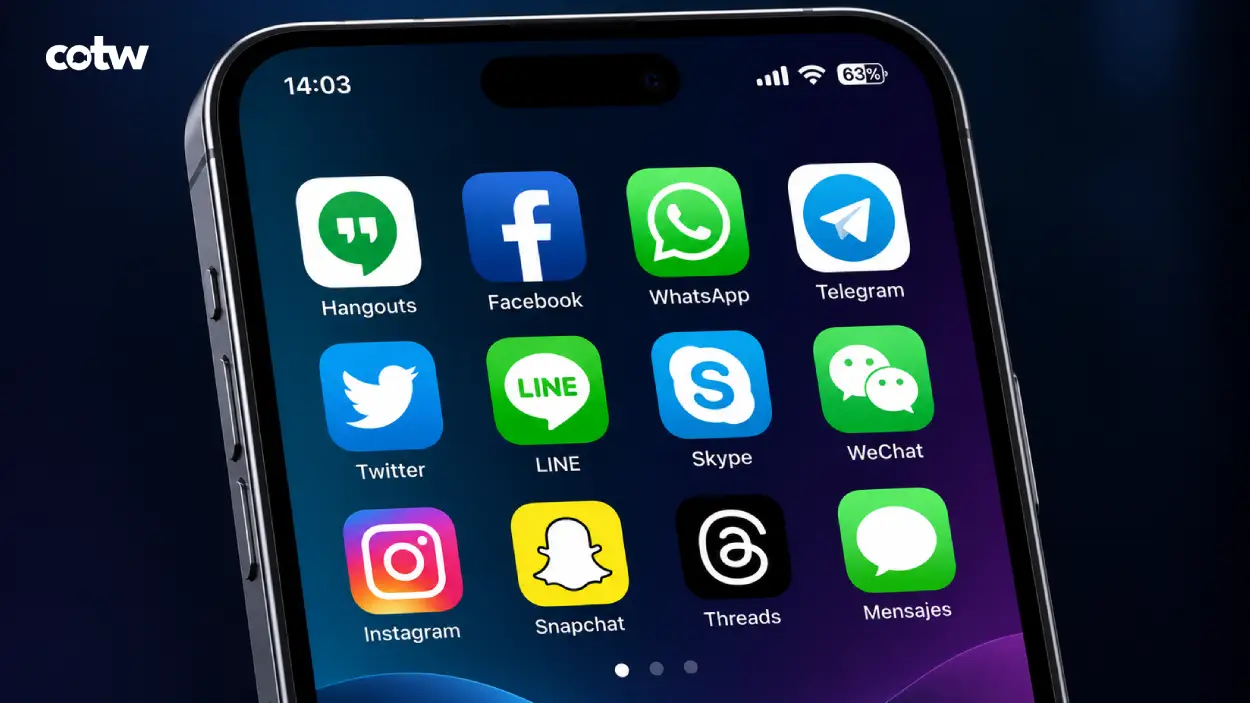
Disappearing Messages Changed How We Communicate
Remember when every text you sent lived forever in some server? Those days are fading. Disappearing or self-destructing messages let users set a timer, after which the content vanishes from both devices.
It started as a quirky feature for privacy-focused apps. Today, it’s mainstream. Some platforms report that nearly 40% of users have tried disappearing messages at least once, often for sensitive conversations or simply to declutter their chat history. The appeal is obvious: less clutter, more control, fewer awkward screenshots resurfacing years later.
AI-Powered Smart Replies and Translation
Artificial intelligence quietly slipped into our chat apps. Smart reply suggestions, the little bubbles offering “Sounds good!” or “Thanks!”, save users an estimated few seconds per message. Multiply that by billions of messages sent daily, and the time saved adds up fast.
Real-time translation is even more impactful. A user typing in Spanish can now message a friend who reads it in Japanese, instantly. No copy-pasting into a separate app. No waiting. Some platforms claim their translation accuracy has improved by over 50% in just a few years, thanks to better language models. For travelers, international teams, and long-distance relationships, this single innovation has quietly broken down barriers that once felt permanent.
Voice and Video Quality Improvements
While not always flashy, the jump in call quality deserves a mention. A few years back, video calls on messaging apps were grainy, laggy, and often dropped without warning. Bandwidth issues made group calls nearly unusable for more than a handful of people.
That’s changed dramatically. Many platforms now support group video calls with dozens of participants, all in high definition, even on moderate internet connections. Platforms like CallMeChat instant video service even allow you to communicate with complete strangers, sometimes from different countries. Compression technology has improved so much that video calls now use roughly 30% less data than they did five years ago, while looking sharper. For remote workers and families spread across continents, this quiet upgrade has made face-to-face conversations genuinely accessible.
Cross-Platform Syncing Without Compromise
Not long ago, switching from your phone to your laptop meant losing your place in a conversation. Messages would lag, notifications would duplicate, and sometimes things just didn’t sync at all. That frustration is largely gone now.
Modern messaging platforms sync seamlessly across devices in near real-time. Start typing on your phone, finish on your tablet, reply from your desktop. Behind the scenes, this requires complex engineering: encrypted backups, device-specific keys, and constant synchronization protocols. Users rarely think about this complexity. They just expect it to work, and increasingly, it does.
Integrated Payments and Mini-Apps
Perhaps the biggest leap is turning messaging apps into full ecosystems. What started as a place to send “hey, what’s up?” has become a hub for splitting bills, booking appointments, ordering food, and even shopping.
In some countries, this shift is already massive. Reports indicate that over 1 billion people use chat apps for payments or commerce-related activities each month. Mini-programs embedded directly into chat interfaces let users play games, fill out forms, or browse products without ever leaving the conversation. It’s a small change with huge implications: the messaging app is no longer just a messaging app.
Why These Changes Matter
Stepping back, these five innovations aren’t just technical footnotes. They reflect a broader shift in how people expect to communicate: securely, instantly, across languages, across devices, and increasingly, for more than just chatting.
Think about it this way. A single conversation today might involve an encrypted message, a smart reply suggestion, an automatic translation, a synced reminder on your laptop, and a quick payment to split the bill, all without you consciously noticing any of it. That’s not a small thing. That’s a complete reimagining of what a “message” even is.
Looking Ahead
Where does this leave us? Probably with even more blending of features we currently think of as separate. Messaging apps already resemble mini operating systems in some regions. Expect that trend to deepen.
One thing seems certain: staying safe while using these tools matters more than ever. As messaging platforms handle more of our personal and financial lives, protecting that data becomes a bigger priority too. Simple habits, like enabling two-factor authentication, reviewing app permissions, and being cautious with unfamiliar links, go a long way. For those who travel often or use public Wi-Fi, an extra layer of protection like a VPN can also help keep messaging activity private from prying eyes on shared networks.
Final Thoughts
Messaging platforms have come a long way from simple text bubbles. Encryption, disappearing messages, AI assistance, seamless syncing, integrated payments, and better calls, together these innovations have reshaped daily communication for billions of people.
What’s next? Hard to say exactly. But if the past few years are any indication, the messaging app on your phone five years from now will look just as different from today’s as today’s looks from the basic SMS apps of the past. And honestly? That’s kind of exciting.