Think about the last car safety ad you saw. Was it just a forgettable slogan? Lately, ads are getting grittier and now feel more real. You can’t look away as easily.
Marketers found out that being nice doesn’t work. People just keep scrolling past polite warnings. They are using a new marketing playbook. It changes how risk is shown by focusing on what actually happens to people.
You see the crash and what follows. This approach cuts through how easily you ignore content. It is a deliberate strategy that forces you to see the aftermath.
That change affects how you respond, because the message now feels personal. You don’t just observe what’s happening on screen, you start recognizing your own behavior in it.
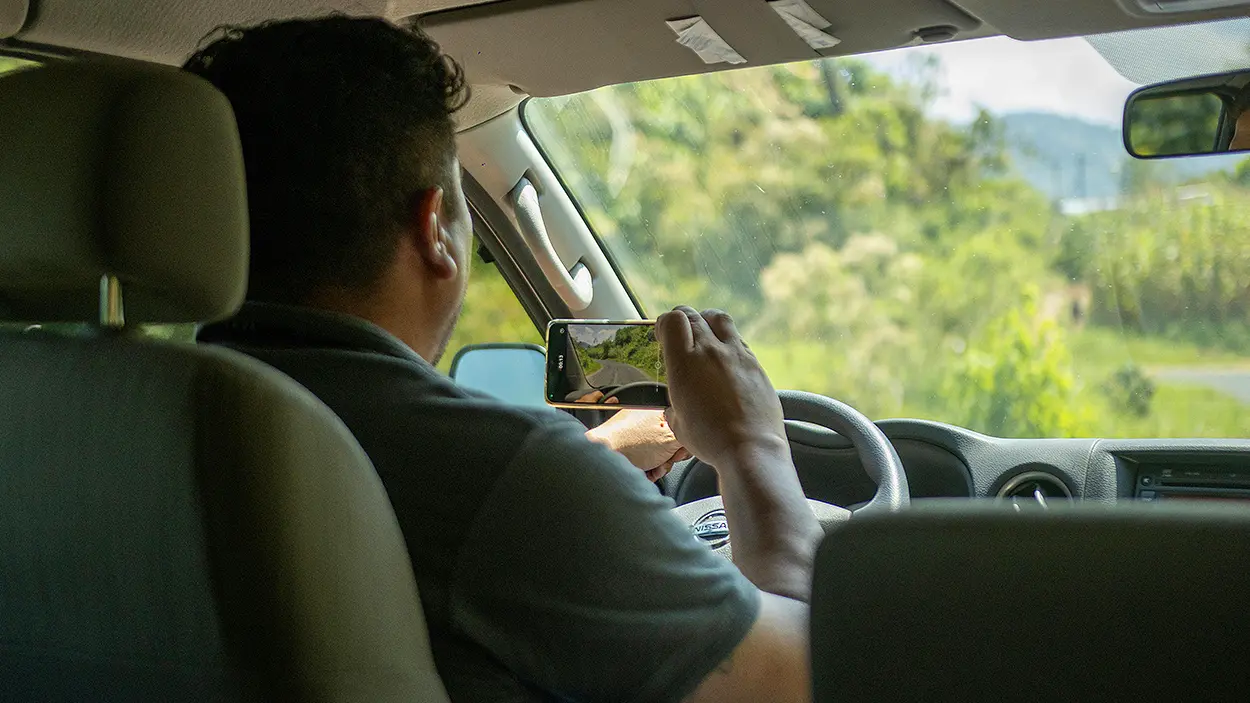
Why Marketers Are Ditching Shock Tactics for Real-Life Simulations
You’re seeing fewer exaggerated crash scenes and more situations that resemble your daily environment. Campaigns are now built around familiar settings like schools, local roads, and everyday driving routines. This approach helps you relate to what is shown.
CBS News reported a mock crash demonstration at Sun Valley High School in Aston, where teen driving risks remain high. Students acted as victims with staged injuries, while emergency teams responded on-site.
The simulation included a fatality and a hearse arrival. It showed how a brief lapse can lead to lasting harm. You see the same approach in other programs. Western Mass News reported on the annual “Stop the Swerve” event in Massachusetts.
Students used driving simulators, impairment goggles, and reaction tests. They experienced distracted driving conditions firsthand. The program also included a documentary linked to a recent crash.
These campaigns work because they create recognition instead of distance. You stop watching the situation as a spectator and start imagining yourself inside it.
Why Campaigns Are Focusing on What Happens After the Crash
Campaigns now go beyond the moment of impact and focus on what happens afterward. Many highlight legal complications, insurance issues, and disruptions that continue long after the crash.
This makes it clear that the effects do not stop there. Here’s where it gets specific. The Arkansas Department of Public Safety states that texting while driving remains illegal in about 50 states.
In 2024, nearly 3,210 people died, and over 315,000 were injured in crashes involving distracted drivers. Officers continue statewide enforcement during awareness campaigns.
At the same time, TRIP data points to recent deadly crashes along Interstate 30 in Southwest Arkansas, drawing attention to how dangerous that stretch has become for drivers. That same corridor continues through Little Rock, where higher traffic volume increases exposure to these risks.
Incidents along this route often lead to complex legal and insurance outcomes for those involved. In many cases, people end up needing a Little Rock auto accident lawyer to manage the legal and financial aftermath.
Keith Law Group reveals that these local experts ensure that you receive the full compensation you deserve. That extended impact is why campaigns now present consequences as an ongoing process rather than a single moment.
Why Campaigns Are Shifting Focus From Blame to Behavior
Campaigns are moving away from blaming drivers and are focusing more on behavior patterns. Driving decisions often come from habits, routines, and environmental factors that feel normal to you.
Checking your phone or rushing through traffic may not seem risky in the moment, but these actions build over time. The Policing Project explains that traffic safety cannot rely only on enforcement. They point out that systems like road design, speed management, and safer infrastructure shape outcomes.
The organization notes that there is no single “traffic accident,” but a chain of preventable events. The focus is now on prevention through safer systems, not just penalties. They also push for tools like safer street design, better speed control, and changes that reduce risk before a crash happens.
This changes how campaigns speak to you. They now focus on the small decisions you make during routine driving situations. These moments are familiar, which makes the message easier to connect with. When you recognize your own habits in these scenarios, you are more likely to reflect on them.
Why Subtle Storytelling Is Replacing Repeated Warnings
Most drivers say they understand the risks, but their actions tell a different story. Claims Journal reports that more than one-third of drivers still admit to distracted driving.
AAA data shows 96% recognize texting is dangerous, and 90% say reading messages is risky. Yet behavior does not match that awareness. Drivers still scroll, text, and engage with phones despite knowing the risks.
The report also notes that newer vehicle tech and in-car systems can increase distraction rather than reduce it. This makes the problem harder to manage and changes how campaigns respond.
Repeating the same warnings does not lead to meaningful change. This forces campaigns to adjust their approach. You now see quieter storytelling that relies on incomplete moments and subtle cues.
A scene may stop before showing the outcome, which encourages you to think about what happens next. This method keeps you engaged without making you feel lectured or overwhelmed.
When you mentally complete the scenario, the message becomes more personal, and the message stays with you longer.
People Also Ask
Why do shock tactics in road safety advertisements often fail?
Standard shock tactics frequently fail because viewers subconsciously block out disturbing images to protect their emotional state. This psychological defense mechanism, known as “avoidance,” makes the viewer feel detached from the danger. Marketers now use subtle realism to build an authentic connection without triggering a mental shutdown.
Do emotional road safety ads actually change driver behavior?
Emotional road safety ads can influence behavior, but only when they feel relatable. Strong emotional impact works best when tied to real-life consequences. If viewers see themselves in the situation, they are more likely to pause, reflect, and adjust their driving habits over time.
What makes a road safety campaign effective today?
An effective road safety campaign today focuses on real situations and clear outcomes. It avoids overused warnings and instead shows how small decisions lead to serious consequences. Campaigns that feel grounded in everyday driving tend to stay with people longer and influence how they act on the road.
Road safety campaigns now feel closer because they reflect situations you recognize from your own driving experience. You see familiar decisions, real consequences, and patterns that resemble your daily routine.
That makes the message harder to ignore. The shift toward realism, extended consequences, and behavior-focused storytelling changes how these campaigns work. They no longer depend on dramatic visuals or repeated warnings.
Instead, they rely on showing situations that feel possible and immediate. When you see your own actions reflected in these campaigns, the message becomes harder to dismiss and more likely to influence your choices.