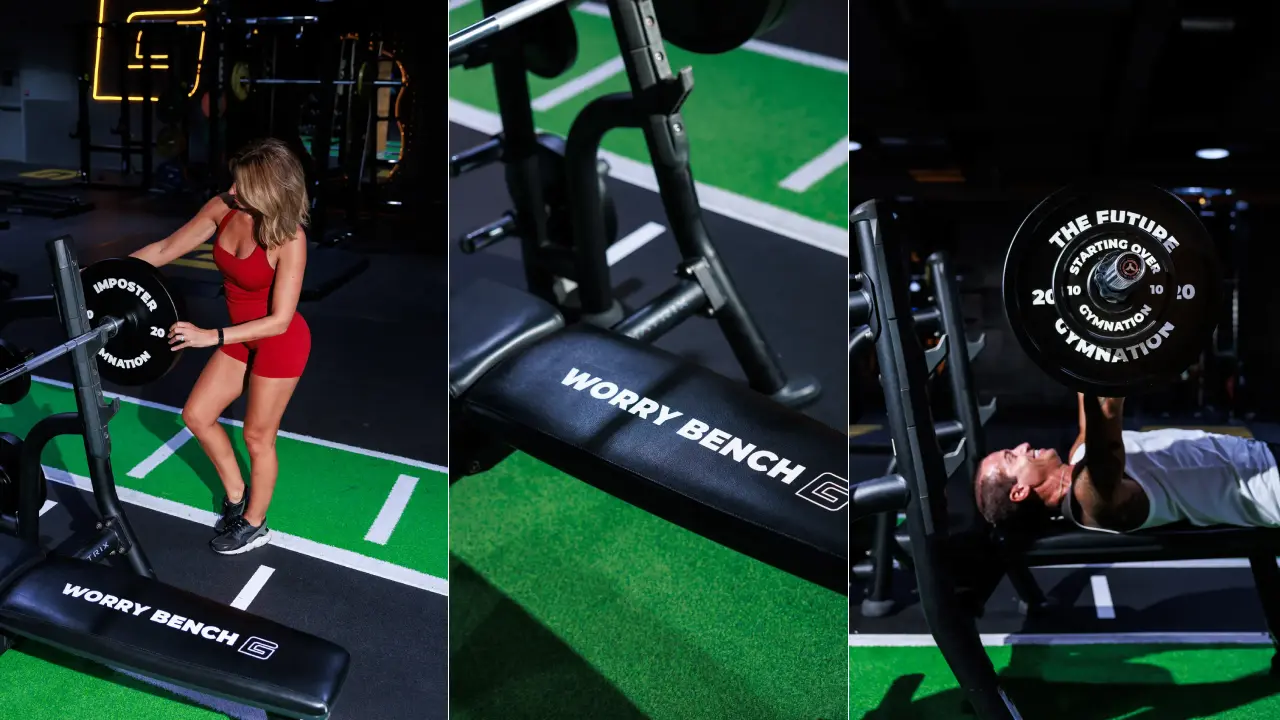
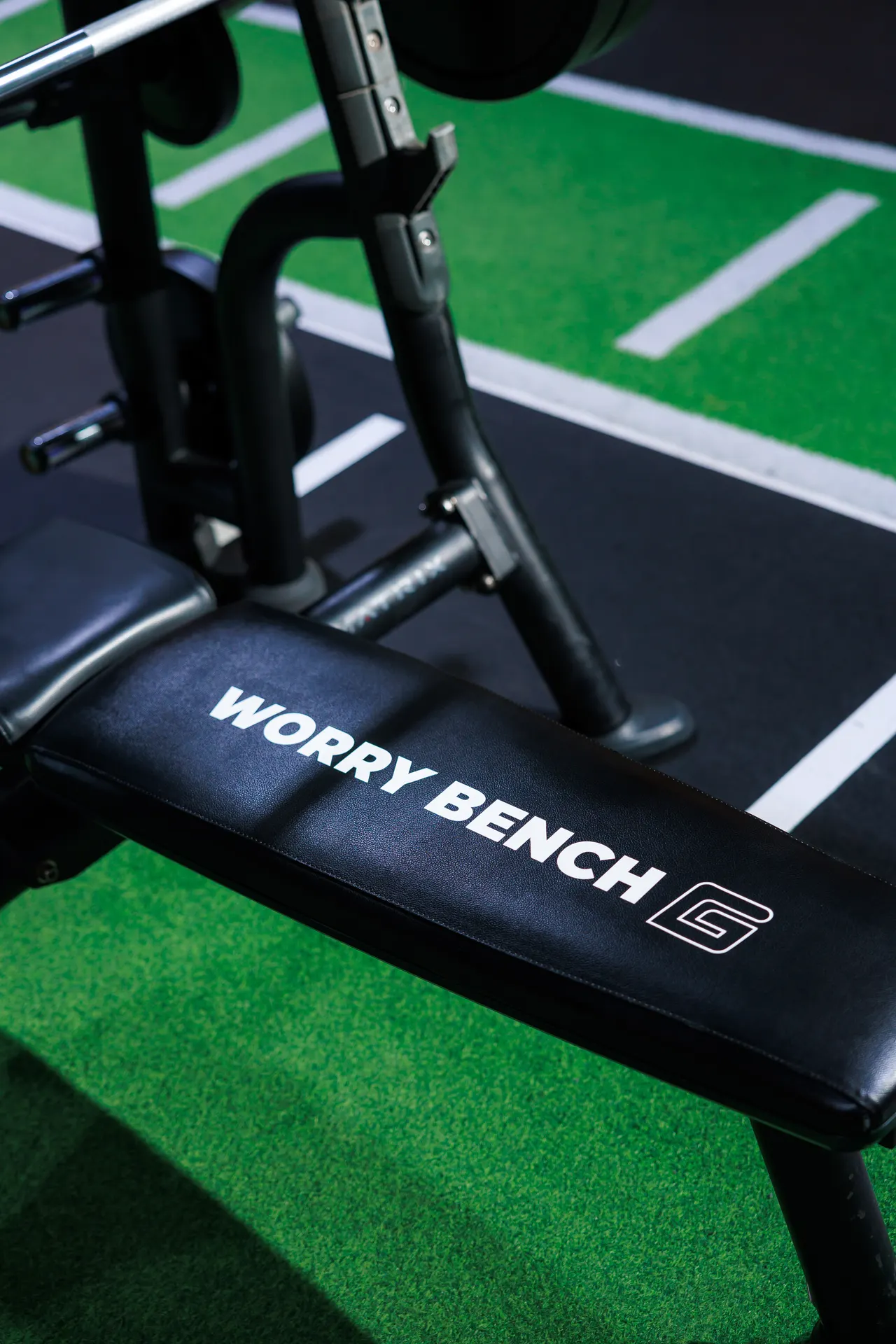
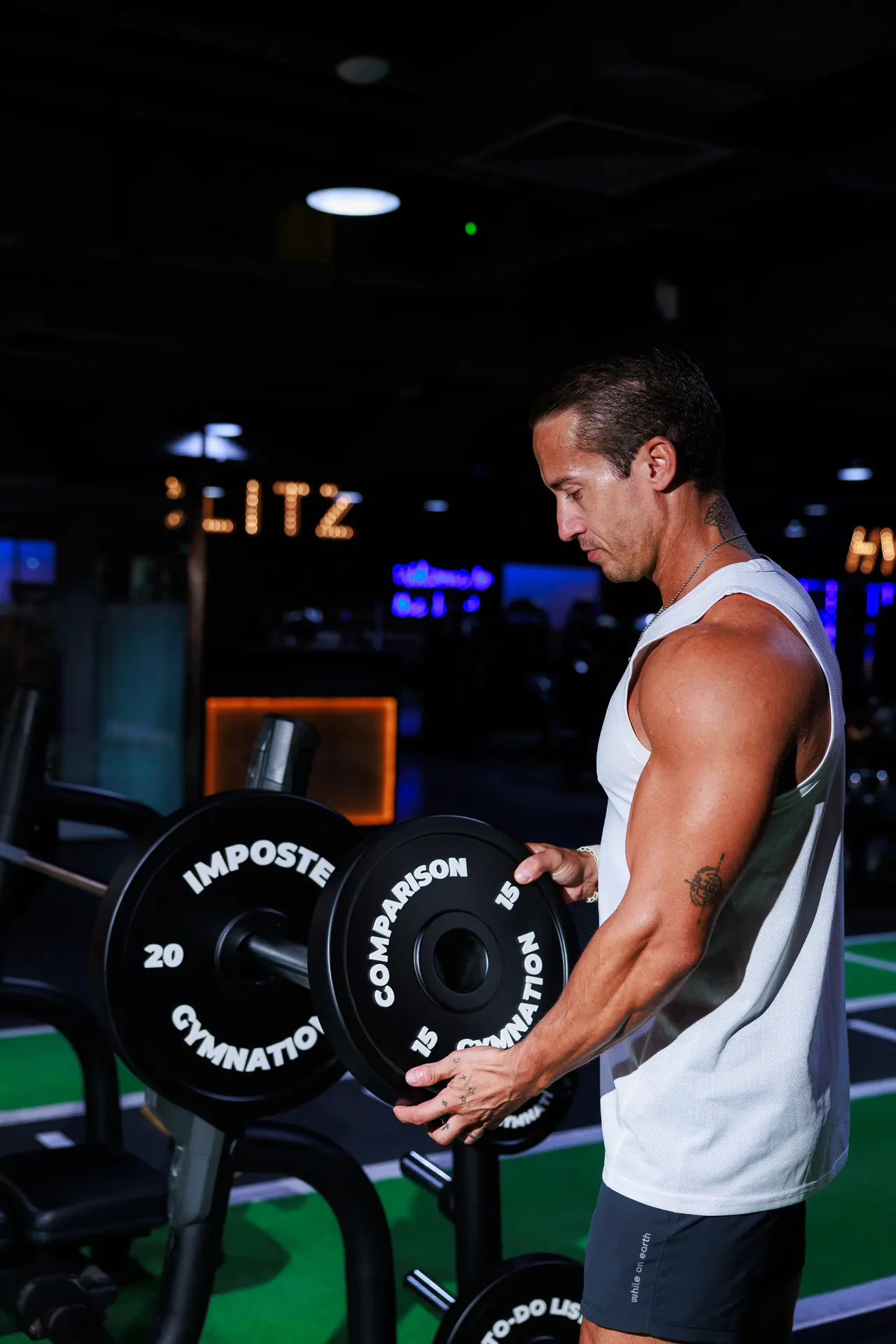
A gym’s weight plates usually tell you how much you’re lifting. GymNation’s Worry Bench gives them something else to say. The plates carry worries such as “Imposter Syndrome”, “The Future”, “My Inbox” and “Doom Scrolling”, turning everyday mental pressure into a physical part of the workout.
Created for World Mental Health Day 2026, the GymNation Worry Bench campaign brings a mental health conversation onto the gym floor. Instead of putting the message on a poster, the brand has made the equipment itself the talking point. The official GymNation campaign announcement provides further details about the activation.
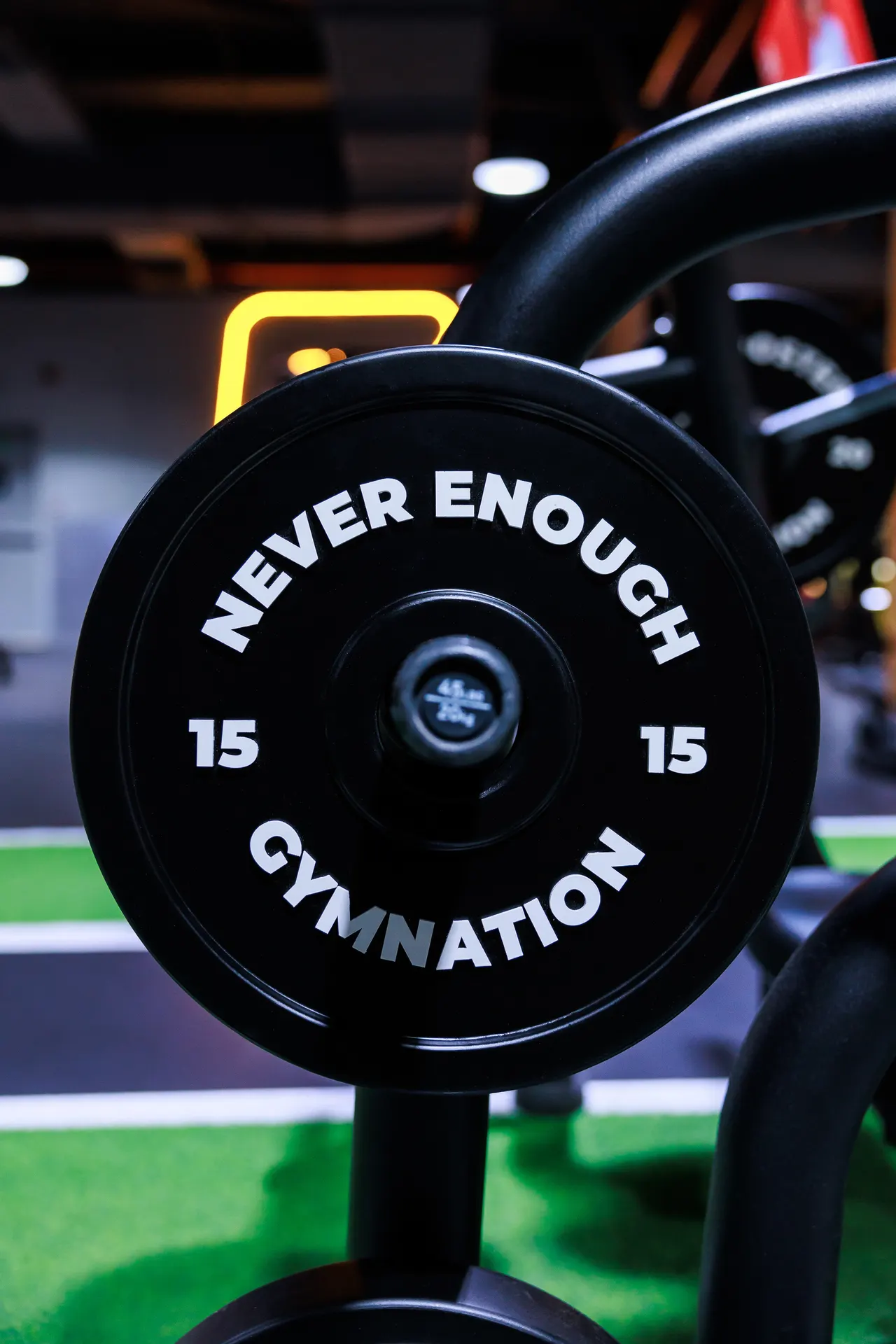
The Weights Carry More Than Numbers
The campaign takes its words from a GymNation survey of 2,000 members across the UAE, Saudi Arabia and Bahrain. According to the brand, concerns about the future ranked highest, at 21%. Imposter syndrome followed at 17%, while unhealthy comparisons accounted for 11% and doom scrolling for 4%.
These responses have been turned into inscriptions on actual weight plates, arranged across four weight categories.
The 20kg plates carry “The Future” and “Imposter Syndrome”. The 15kg plates feature “My To-Do List”, “Comparing Myself to Others” and “Never Enough”. At 10kg, the worries include “Starting Over”, “Loneliness” and “Losing My Job”. The 5kg plates carry “Rent”, “My Inbox” and “Doom Scrolling”.
The phrases need little explanation. Most people know what it feels like to have too much on their to-do list or to compare their progress with someone else’s. Seeing those thoughts stamped onto gym equipment makes them harder to overlook.
A Mental Health Campaign Built Into the Equipment
The idea connects physical weight with mental pressure through a simple visual detail rather than a long explanation. Members encounter the message while doing something they already came to the gym to do.
The weight categories give the installation a clear structure, too. Heavier plates carry concerns such as the future and imposter syndrome, while lighter plates feature everyday pressures such as rent and doom scrolling. This is the campaign’s creative classification of worries, not a clinical measure of their seriousness.
For an OOH-led campaign, the execution has a natural advantage. It belongs to the environment where people encounter it, and the message can be understood at a glance. GymNation does not need to interrupt the workout to introduce a separate advertising message. The equipment does the talking.
The connection between fitness and mental wellbeing has appeared in other campaigns as well. Reebok’s #BeMoreHuman campaign explored a broader understanding of strength, extending the conversation beyond physical performance.
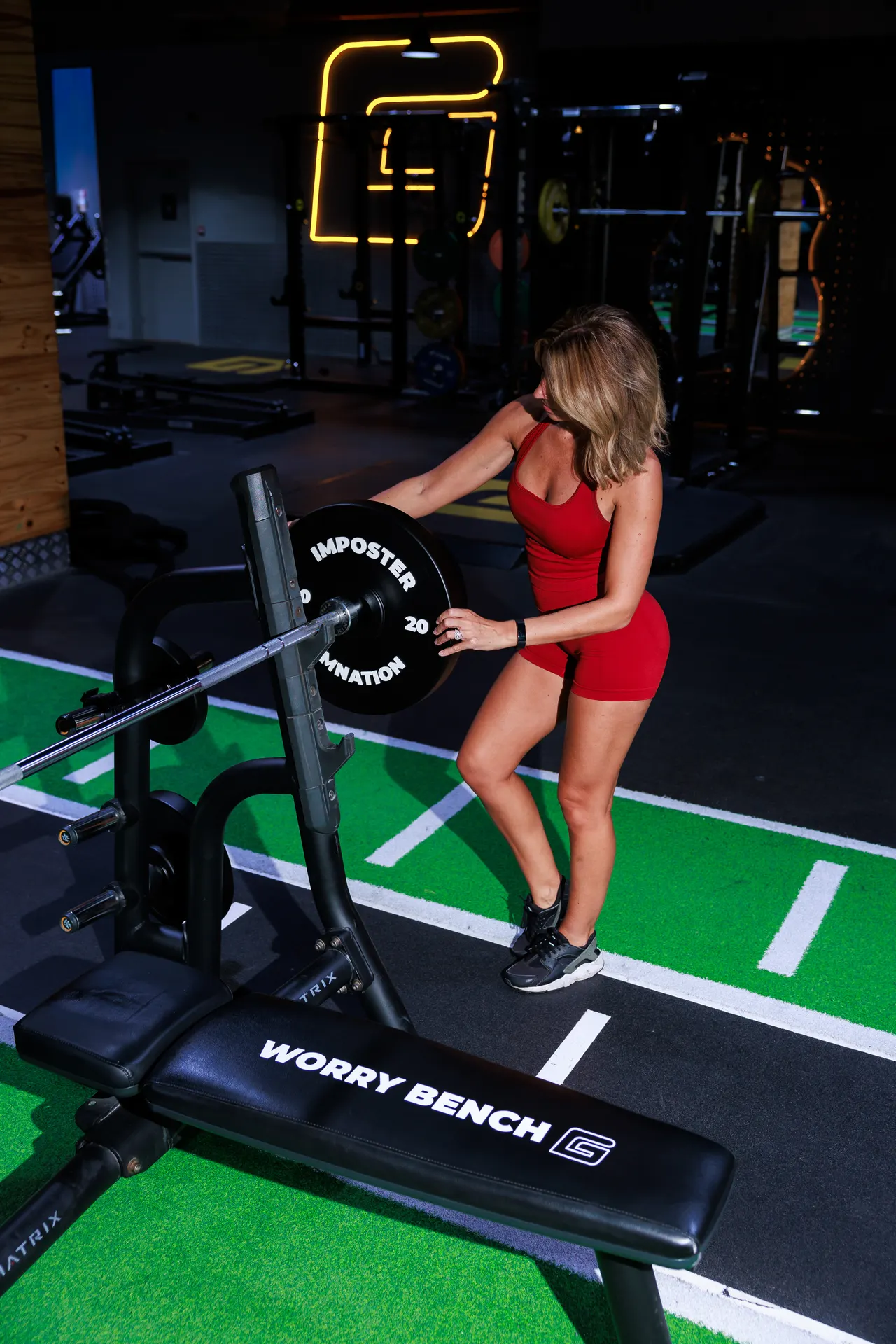
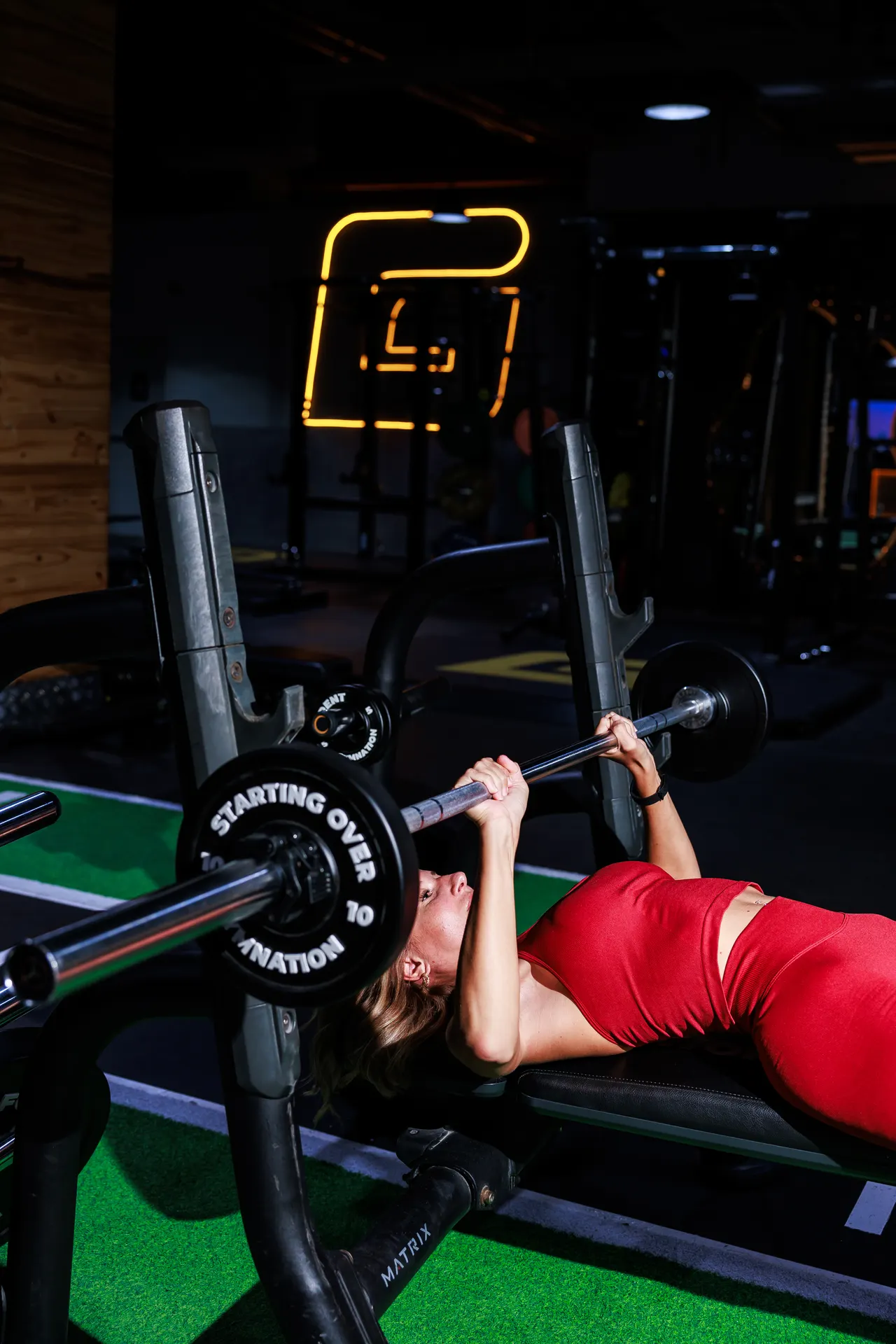
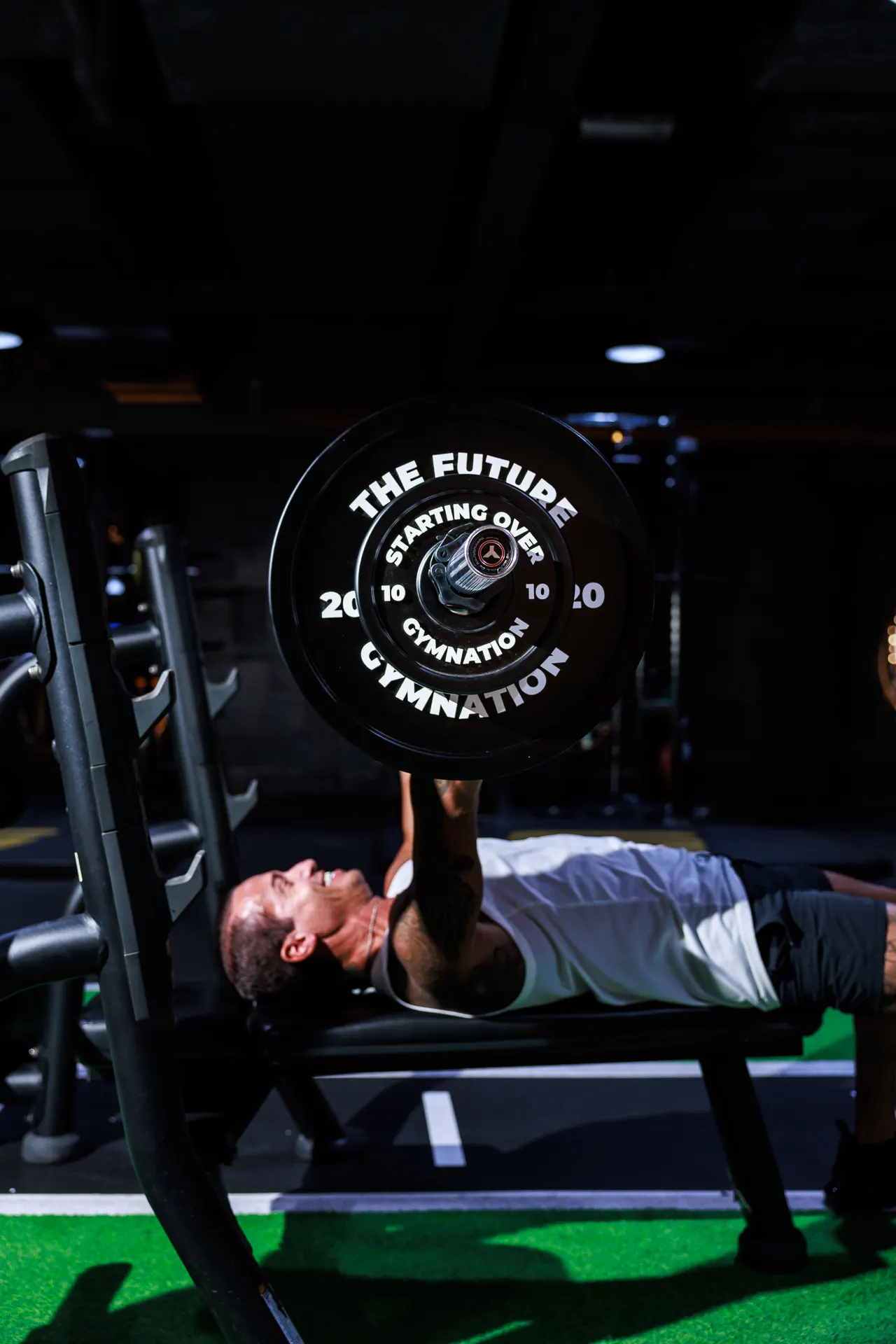
From Unloading Weights to Naming Worries
The Worry Bench continues an idea GymNation explored in its 2025 World Mental Health Day activation. That campaign removed weights from gym floors to encourage members to unload their worries.
The 2026 version takes the idea in another direction. Rather than removing the weights, GymNation has given them words. The earlier activation used absence to make a point; the Worry Bench uses the equipment itself.
GymNation Chief Marketing Officer Rory McEntee says the intention is to bring everyday worries to the front of people’s minds and encourage greater awareness of what they carry into a workout.
The brand also reports that 52% of surveyed members focus their gym routine on reducing stress and anxiety and improving their mental health. More than one in four said they had quit exercising because of a low mood.
These findings give the campaign a clear connection to its audience. It addresses people who may already understand the value of exercise but sometimes struggle to find the motivation to keep going.
The Best Detail Is Written on the Plates
Mental health advertising can easily fall back on familiar motivational lines. GymNation takes a more tangible route by putting everyday worries where members can actually see them.
The choice of language is the strongest part of the idea. “The Future”, “Never Enough” and “My Inbox” describe different kinds of pressure, from larger uncertainties to small daily frustrations. Together, they make the installation feel connected to ordinary life rather than a generic message about wellbeing.
There is also a practical lesson here for outdoor creativity. A campaign does not always need a large structure, complicated technology or an entirely new format to attract attention. Sometimes, changing a familiar object is enough to make people look twice.
That approach has particular value in a gym, where the equipment already has a clear purpose. The creative idea does not have to explain why the audience should pay attention. It changes something people recognise and lets the message emerge from that change.
Adidas explored a related connection between fitness and mental wellbeing in its Training Series campaign, another example of how exercise can become the starting point for a broader conversation.
The Worry Bench has its limits, of course. An installation can prompt reflection and conversation, but the campaign details do not establish whether it changes members’ mental health or exercise habits. Its creative value lies in making an often invisible subject easier to acknowledge.
For Campaigns of the World, the Worry Bench demonstrates how closely an idea can be tied to its setting without becoming predictable. GymNation works with something its audience already understands, the weight on a barbell, and gives it another meaning.
The result is a campaign that makes people look at familiar equipment differently. The weights remain the same, but the words invite a different conversation about what people carry into the gym.