

Baby Monkey Punch: How His Comfort Toy Became the Internet’s Most Heartfelt Marketing Moment
The Moment That Moved the Internet
Not every viral story begins in a marketing war room. Some begin in the quietest places — like a zoo enclosure in Japan.
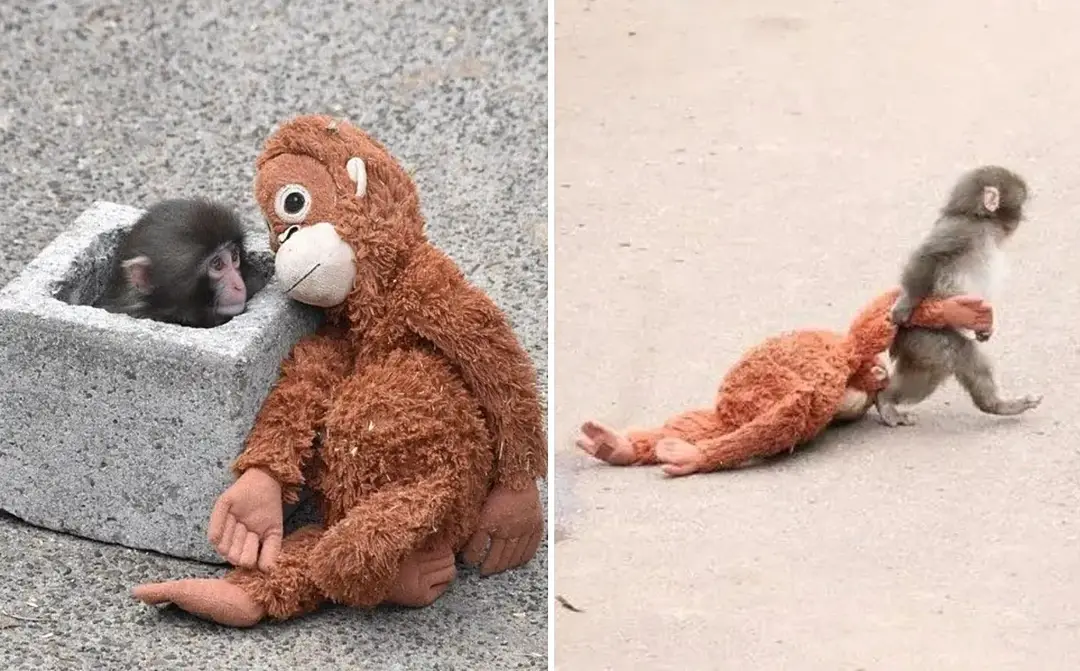
Punch, a baby Japanese macaque born at Ichikawa City Zoo, was rejected by his mother shortly after birth. Zookeepers stepped in to hand-raise him, providing round-the-clock care. To offer comfort, they introduced a large stuffed orangutan — IKEA’s Djungelskog plush toy.
What followed wasn’t staged or strategized. It was instinctive.
Images of Punch tightly clinging to the plush began circulating online. In those visuals, audiences didn’t just see a baby monkey. They saw vulnerability. They saw resilience. They saw comfort in its purest form.
Within days, the story crossed borders. Social platforms amplified it organically. “Hang in there, Punch” messages flooded timelines. The baby monkey became a global symbol of emotional survival.
When a Product Becomes Part of Culture
At the center of the story was IKEA’s Djungelskog orangutan plush — a standard product from the brand’s soft toy range.
Importantly, this was not a collaboration or placement. The toy was introduced by zoo caretakers purely as a comfort object. The internet connected the dots on its own.
As the story gained traction, consumer behavior followed. Searches for the plush surged. Stores in several markets experienced stock shortages. Online listings saw resale prices climb. The product had moved beyond retail — it had become symbolic.
For IKEA, this wasn’t planned brand exposure. It was cultural adoption.
And that distinction is critical.
How IKEA Entered the Conversation
When a brand is pulled into a viral moment, there are two possible reactions: capitalize loudly or participate thoughtfully.
IKEA chose the latter.
Rather than aggressively pushing sales messaging, IKEA Japan reportedly supported the zoo by donating additional plush toys. The gesture aligned naturally with the emotional tone of the story. It reinforced the brand’s long-standing positioning around comfort, home, and belonging — without appearing opportunistic.
Globally, the brand’s communication around Djungelskog leaned into warmth and emotional connection rather than promotional urgency. There were no hard-sell banners or exploitative taglines. Instead, IKEA allowed the cultural moment to breathe.
That restraint is what made the response effective.
Why This Moment Marketing Worked
The Baby Monkey Punch phenomenon highlights three important lessons for brands navigating real-time culture:
1. Authenticity Cannot Be Manufactured
The reason this story resonated is because it was real. Audiences today are highly sensitive to forced virality. Punch’s story carried emotional truth — and that’s what drove engagement.
2. Cultural Listening Is Strategic Power
IKEA did not create the moment, but it recognized the alignment. Agile decision-making allowed the brand to respond appropriately rather than scramble reactively.
3. Emotional Alignment Beats Opportunism
Comfort, belonging, and emotional security are already embedded in IKEA’s brand DNA. The plush toy was not a random product fit — it was contextually aligned. That made participation feel natural rather than commercial.
A Case Study in Modern Viral Marketing
In an era dominated by trendjacking and reactive social posts, the Baby Monkey Punch moment stands out because it was handled with care.
- The internet gave the story scale.
- The audience gave it meaning.
- IKEA gave it support — not spin.
For marketers, the takeaway is clear: the most powerful brand moments are not always created. Sometimes, they are inherited. The real skill lies in recognizing when to step forward — and when to simply honor the spotlight with empathy.
And in this case, a baby monkey holding onto a plush toy reminded the advertising world of something simple but essential:
Emotion travels faster than strategy.
This campaign is about:
Baby Monkey Punch, Baby monkey Punch viral story, Punch monkey Japan, Ichikawa City Zoo, IKEA Djungelskog plush, IKEA orangutan soft toy, Baby monkey with plush toy, Viral zoo monkey story, Baby monkey Punch IKEA, Moment marketing example, Organic viral marketing, Real time marketing case study, Emotional brand marketing, Viral marketing trend 2026, Brands reacting to viral trend, IKEA plush toy sold out, Social media viral animal story, Cultural moment marketing, Authentic brand engagement, Marketing lessons from viral trends
