

Meta “Unmute the Stage”: A Powerful Campaign That Lets the Deaf Community Feel Live Theater
Meta’s “Unmute the Stage” shows what happens when creativity is guided by empathy.
Live theater has always been designed around sound. Dialogue, music, silence, and applause work together to create emotion on stage. But for the Deaf community, this experience has long felt incomplete. They attend shows, watch actors perform, and follow visual cues — yet much of the emotional depth remains out of reach.
With “Unmute the Stage,” Meta delivers a deeply human and thoughtfully crafted campaign that reimagines what inclusive theater can look like. Instead of asking Deaf audiences to adapt, the campaign adapts the stage itself — using wearable technology to turn sound into something that can be felt and seen.
This is not just a tech story. It’s a creative statement about access, empathy, and how brands can use innovation to create real cultural impact.
The Core Problem: Inclusion Has Been Missing From Live Theater
Despite progress in accessibility, live theater still largely depends on hearing. Traditional captions often feel detached from the performance, while sound-driven moments — music swells, sudden silences, emotional shifts — are lost entirely.
For many Deaf audience members, this results in:
- Feeling disconnected from the performance
- Missing emotional cues tied to sound
- Sitting through shows without full engagement
They are present, but not fully included. “Unmute the Stage” directly confronts this reality.
A Campaign Designed For, Not Around, the Deaf Community
What makes this campaign stand out is its intent. The audience is not treated as an afterthought. Every creative and technical decision centers on the Deaf community’s experience.
Meta’s approach is simple but powerful:
If sound can’t be heard, let it be felt and seen.
By combining wearable haptic technology with intelligent visual storytelling, the campaign creates an entirely new way to experience live performance — without disrupting the magic of theater.
Turning Sound Into a Multi-Sensory Experience
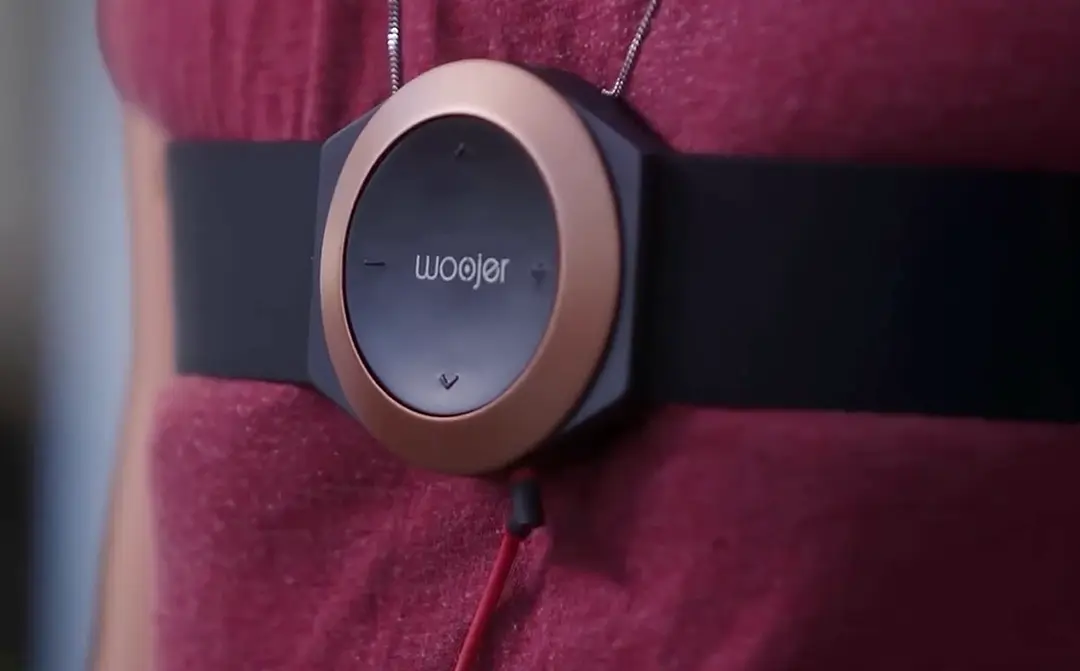
Feeling the Performance With the Woojer Haptic Strap
The Woojer Haptic Strap converts audio from the stage into physical vibrations that travel across the body. Music, footsteps, dramatic shifts, and applause become sensations rather than sounds.
Through this technology, Deaf audience members can:
- Feel rhythm and tempo
- Sense intensity and volume changes
- Experience emotional moments physically
Sound is no longer something missing — it becomes something alive.
Seeing Emotion Through Meta Ray-Ban Display Glasses
The second layer of the experience comes from Meta Ray-Ban Display Glasses, powered by Meta Intelligence. These glasses present Caption with Intention©, developed by Rakish Entertainment, which redefines how captions work in live settings.
Unlike traditional subtitles, these captions:
- Are color-coded by character
- Scale in size based on volume
- Animate to reflect emotion and tone
The result is dialogue that feels expressive and alive — matching the energy of the actors on stage.
Why the Campaign Film Matters
The campaign video doesn’t rely on explanation — it relies on emotion. Viewers see real reactions as Deaf audience members experience theater in a completely new way. Facial expressions shift, posture changes, and moments of surprise and joy feel unmistakably genuine.
This storytelling choice strengthens the campaign’s impact. Instead of showcasing technology, it showcases people — and how access can transform their experience.
A Benchmark for Meaningful Creative Advertising
“Unmute the Stage” is a reminder that great advertising doesn’t need exaggeration. It needs purpose.
From a creative perspective, the campaign succeeds because it:
- Solves a real, often ignored problem
- Uses technology with intention, not novelty
- Respects the audience’s lived experience
- Aligns brand innovation with social impact
For brands and marketers, this is a clear example of how inclusivity can drive some of the most powerful creative ideas.
Beyond Theater: A Larger Vision for Accessibility
The implications of this campaign go far beyond the stage. The same approach could reshape experiences in:
- Concerts and music festivals
- Museums and exhibitions
- Sports arenas
- Live talks and cultural events
Meta’s campaign suggests a future where accessibility isn’t a special feature — it’s a built-in expectation.
Final Takeaway
Meta’s “Unmute the Stage” shows what happens when creativity is guided by empathy. By translating sound into sensation and emotion into motion, the campaign opens live theater to an audience that has long been excluded from its full impact.
For anyone passionate about creative advertising, inclusive design, and meaningful brand storytelling, this campaign stands as a powerful reminder:
The most memorable ideas don’t just impress — they include.
Credits
School: S.I. Newhouse School of Public Communications
Art Director: Adrian Berger
Copywriter: Kate Barrett
Instructor: Mel White
This campaign is about:
Meta Unmute The Stage Campaign, Meta Advertising, Wearable Technology, Accessibility, Deaf Community, Haptic Technology, Woojer Haptic Strap, Innovation, Creative Advertising Campaigns By Meta, Inclusive Marketing Campaigns, Assistive Technology.
